
Driveway Sealcoating in NJ: Why It's Essential for Protecting Your Asphalt Investment

June 30, 2026
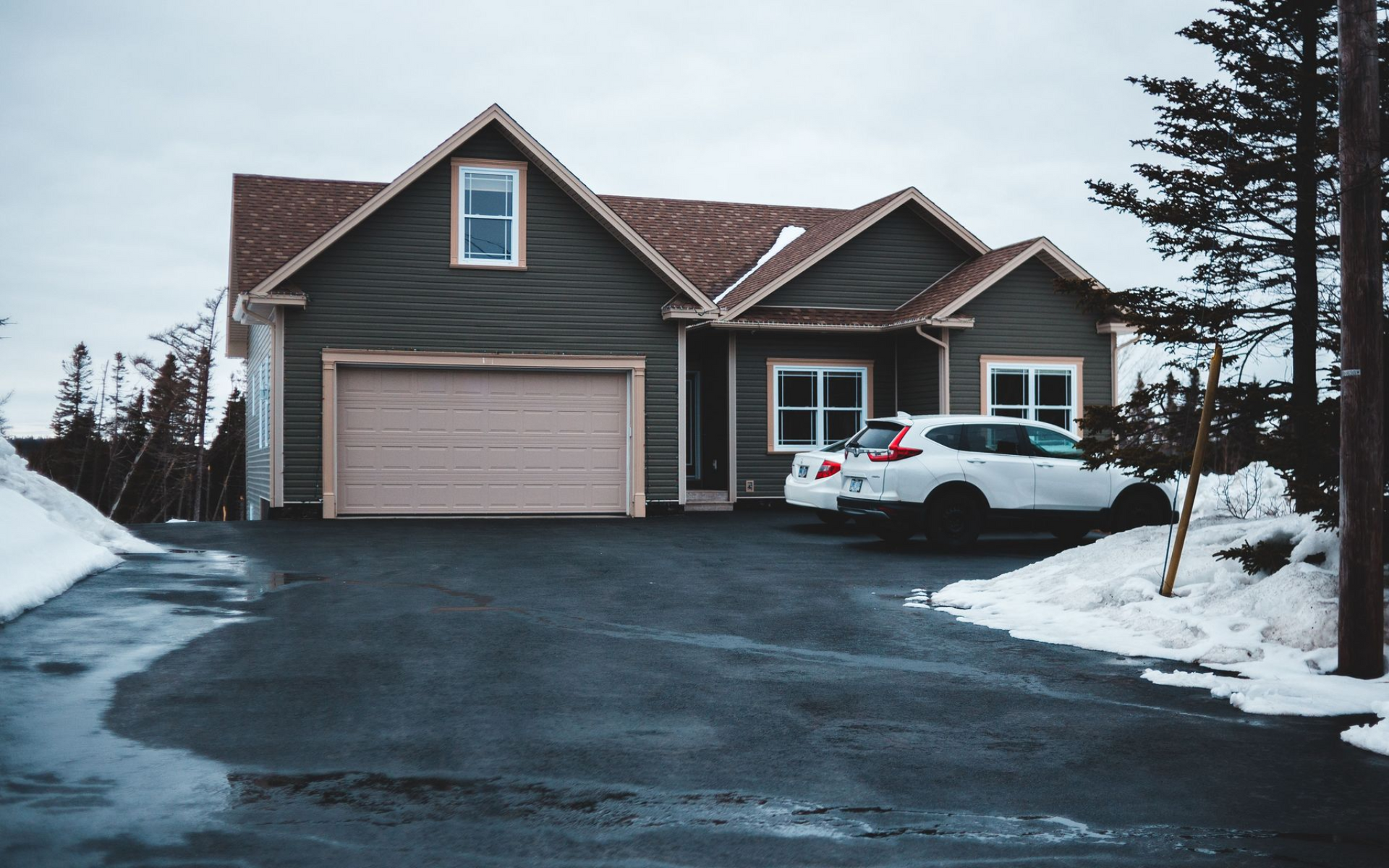
Snowy suburban house with a garage and a white car parked in the driveway

Installing a new asphalt driveway is a significant investment, and like any investment, it requires regular maintenance to deliver the longest possible lifespan. While asphalt is known for its durability and attractive appearance, it is constantly exposed to harsh weather, vehicle traffic, UV rays, moisture, and chemicals that slowly break it down over time.

One of the most effective and affordable ways to protect your asphalt is through professional sealcoating.

At John Ciano & Son The Paving Authority, we've helped homeowners and businesses throughout Elizabeth, NJ and Union County preserve their asphalt surfaces for generations. Our family has been paving and maintaining driveways since 1945, and we've seen firsthand how routine sealcoating can dramatically extend the life of asphalt while keeping it looking like new.

In this guide, we'll explain what sealcoating is, why it's important, how often it should be done, and how professional application protects your investment for years to come.

What Is Driveway Sealcoating?

Sealcoating is the process of applying a protective coating over an asphalt surface after it has fully cured. The coating creates a barrier that shields the pavement from damaging elements including:

  • Water infiltration
  • UV rays
  • Oxidation
  • Oil leaks
  • Gasoline spills
  • Road salt
  • De-icing chemicals
  • Dirt and debris

Unlike asphalt paving, sealcoating does not add structural strength or repair major damage. Instead, it acts as preventative maintenance by preserving the surface and slowing natural deterioration.

Once applied, the driveway regains its rich black appearance while becoming more resistant to weather and everyday wear.

Why Is Sealcoating So Important in New Jersey?

New Jersey experiences four distinct seasons, and each one places stress on asphalt pavement.

Winter

Snow, ice, and road salt create ideal conditions for moisture damage. Water enters small cracks, freezes, expands, and gradually creates larger cracks and potholes.

Spring

Heavy rain and repeated freeze-thaw cycles expose weak areas in aging asphalt.

Summer

Strong UV rays oxidize asphalt, causing it to become brittle and fade from black to gray.

Fall

Leaves, moisture, and cooler temperatures prepare pavement for another harsh winter season.

Sealcoating provides year-round protection against each of these environmental challenges.

Top Benefits of Driveway Sealcoating

1. Extends the Life of Your Driveway

One of the biggest advantages of sealcoating is longevity.

Without routine maintenance, asphalt begins drying out as the oils within the pavement slowly evaporate. This oxidation weakens the surface and eventually causes cracking.

Sealcoating slows this process significantly.

With proper maintenance, an asphalt driveway can often last 20 to 25 years or longer, compared to considerably less when neglected.

2. Prevents Water Damage

Water is asphalt's biggest enemy.

Once moisture penetrates small cracks, it begins attacking the foundation underneath the pavement.

This leads to:

  • Surface cracking
  • Base erosion
  • Potholes
  • Uneven settling
  • Frost heaving

Sealcoating creates a protective barrier that minimizes water penetration and helps keep the base stable.

3. Protects Against UV Damage

The sun's ultraviolet rays slowly dry out asphalt.

Over time you'll notice:

  • Gray discoloration
  • Brittle surfaces
  • Surface oxidation
  • Increased cracking

Think of sealcoating as sunscreen for your driveway.

By blocking UV exposure, the surface remains flexible longer and resists premature aging.

4. Resists Oil, Fuel, and Chemical Spills

Driveways are constantly exposed to:

  • Motor oil
  • Transmission fluid
  • Gasoline
  • Fertilizers
  • Cleaning chemicals

These products soften asphalt and break down its binding agents.

Sealcoating creates a protective surface that resists chemical penetration and makes cleanup much easier.

5. Improves Curb Appeal

A freshly sealed driveway dramatically improves the appearance of your property.

The deep black finish creates a clean, well-maintained look that complements landscaping, sidewalks, and masonry work.

If you're preparing to sell your home, sealcoating is one of the most affordable upgrades you can make to improve curb appeal.

How Often Should You Sealcoat Your Driveway?

Timing matters.

Newly Installed Asphalt

A brand-new driveway should cure for approximately 6 to 12 months before receiving its first sealcoat.

This allows excess oils to evaporate and ensures proper adhesion.

Existing Driveways

Most asphalt driveways benefit from sealcoating every 2 to 3 years, although high-traffic surfaces or properties exposed to full sunlight may require more frequent maintenance.

Regular inspections help determine the ideal schedule.

Signs Your Driveway Needs Sealcoating

Many homeowners wait until visible damage appears, but it's better to seal before deterioration becomes significant.

Watch for:

  • Faded gray coloring
  • Hairline cracking
  • Rough texture
  • Loose aggregate
  • Minor surface wear
  • Water soaking into asphalt instead of beading

Addressing these early signs helps avoid much larger repair bills later.

Our Professional Sealcoating Process

At John Ciano & Son The Paving Authority, every sealcoating project follows a detailed process.

Step 1: Surface Inspection

We evaluate the driveway for cracks, drainage concerns, edge deterioration, and previous repairs.

Step 2: Thorough Cleaning

We remove:

  • Dirt
  • Leaves
  • Oil stains
  • Sand
  • Debris

Proper cleaning ensures maximum adhesion.

Step 3: Crack Repair

Small cracks are filled before sealcoating begins.

This prevents moisture from becoming trapped underneath the new coating.

Step 4: Surface Preparation

We carefully protect sidewalks, landscaping, garage doors, and surrounding surfaces before application.

Step 5: Sealcoat Application

Using commercial-grade materials, we apply an even coat that provides complete surface coverage and consistent protection.

Step 6: Curing

The driveway remains closed for approximately 24 to 48 hours, depending on weather conditions.

DIY vs. Professional Sealcoating

Many home improvement stores sell sealcoating kits, but there are significant differences between DIY products and professional applications.

DIY Limitations

  • Lower-quality materials
  • Uneven coverage
  • Inadequate surface preparation
  • Shorter lifespan
  • Limited durability

Professional Advantages

  • Commercial-grade sealers
  • Professional spray equipment
  • Complete crack repair
  • Proper curing recommendations
  • Longer-lasting protection
  • Uniform appearance

Professional application delivers better results while saving homeowners time and frustration.

Common Sealcoating Mistakes to Avoid

Avoid these common mistakes:

  • Applying sealcoat too soon after new asphalt installation
  • Skipping crack repairs
  • Sealcoating over dirty pavement
  • Applying sealer before rain
  • Using poor-quality products
  • Driving on the surface before it fully cures

Working with an experienced contractor helps eliminate these issues.

Frequently Asked Questions

Does sealcoating repair cracks?

No. Sealcoating protects asphalt but does not repair structural damage. Cracks should always be repaired before sealing.

How long does sealcoating last?

Most professionally applied sealcoats provide protection for 2–3 years, depending on traffic and weather.

Can sealcoating be done every year?

It's generally unnecessary. Too many applications can actually create buildup that affects performance.

Is sealcoating worth the investment?

Absolutely. Sealcoating costs only a fraction of what it takes to replace an asphalt driveway and helps maximize your original investment.

What time of year is best?

Late spring through early fall offers the best weather conditions for sealcoating in New Jersey.

Why Homeowners Trust John Ciano & Son The Paving Authority

For more than 75 years, we've helped homeowners and businesses throughout Union County protect their asphalt investments.

Our customers choose us because we provide:

  • Four generations of paving experience
  • Licensed and insured professionals
  • High-quality commercial sealers
  • Honest recommendations
  • Attention to detail
  • Reliable scheduling
  • Long-lasting workmanship

Whether we're installing a brand-new driveway or maintaining one that's decades old, we treat every project with the same care and professionalism.

Schedule Your Driveway Sealcoating Today

Routine sealcoating is one of the easiest and most affordable ways to protect your asphalt investment.

If your driveway has started to fade, develop small cracks, or simply hasn't been sealed in several years, now is the perfect time to schedule maintenance.

The experienced team at John Ciano & Son The Paving Authority is ready to help you keep your driveway looking beautiful and performing its best for years to come.

Call today for your free estimate.

Phone: (908) 596-0515

Serving: Elizabeth, NJ, Union County & Surrounding Communities

Business Hours: Monday–Friday: 7:00 AM – 5:00 PM | Saturday: 7:00 AM – 12:00 PM

Recent Posts

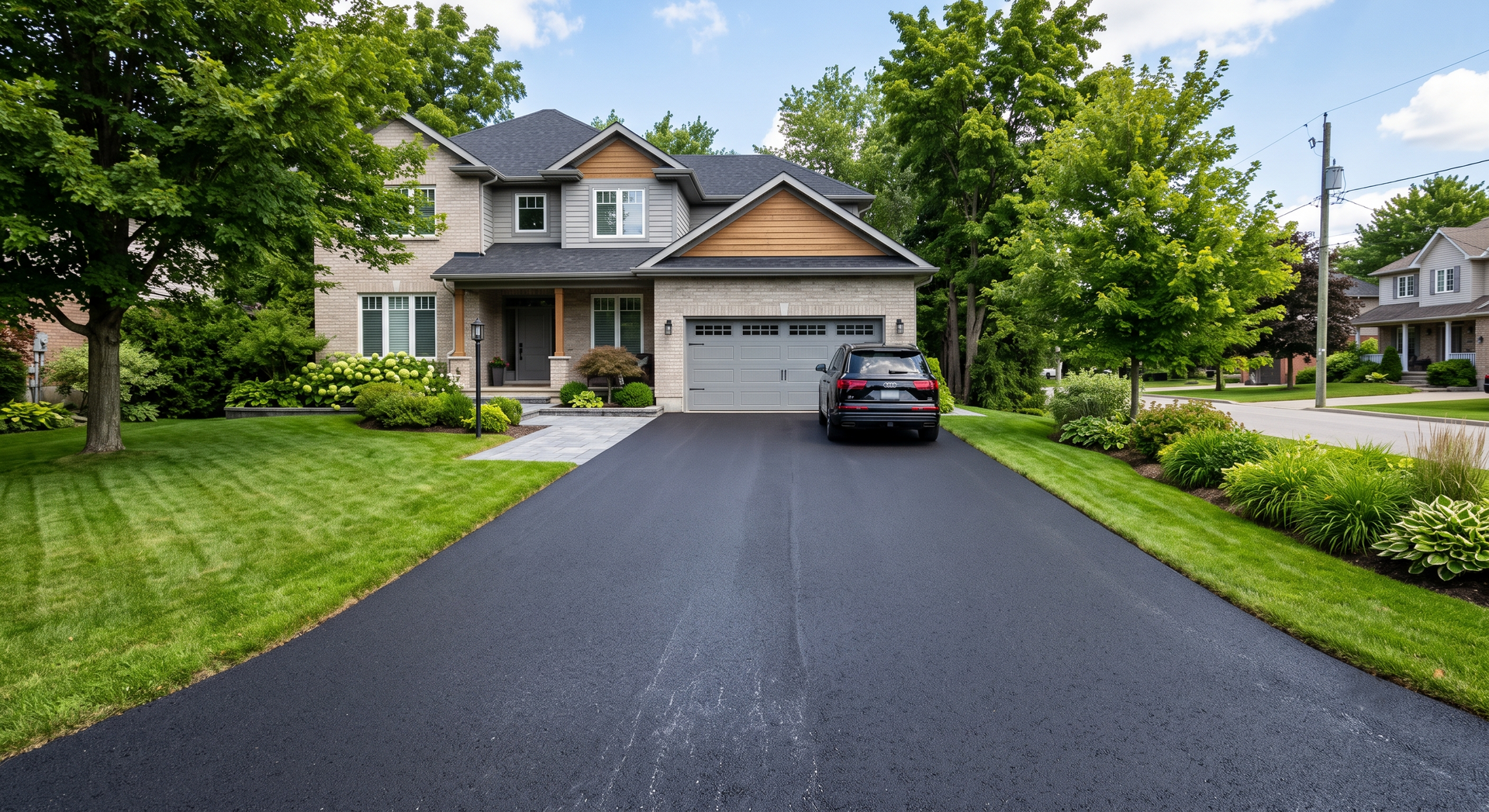
Suburban house with a long black driveway, a parked car, and green trees and lawn
July 15, 2026
Learn how long an asphalt driveway lasts in New Jersey, what affects its lifespan, and how proper maintenance helps it last 20 years or even longer. Contact us now!
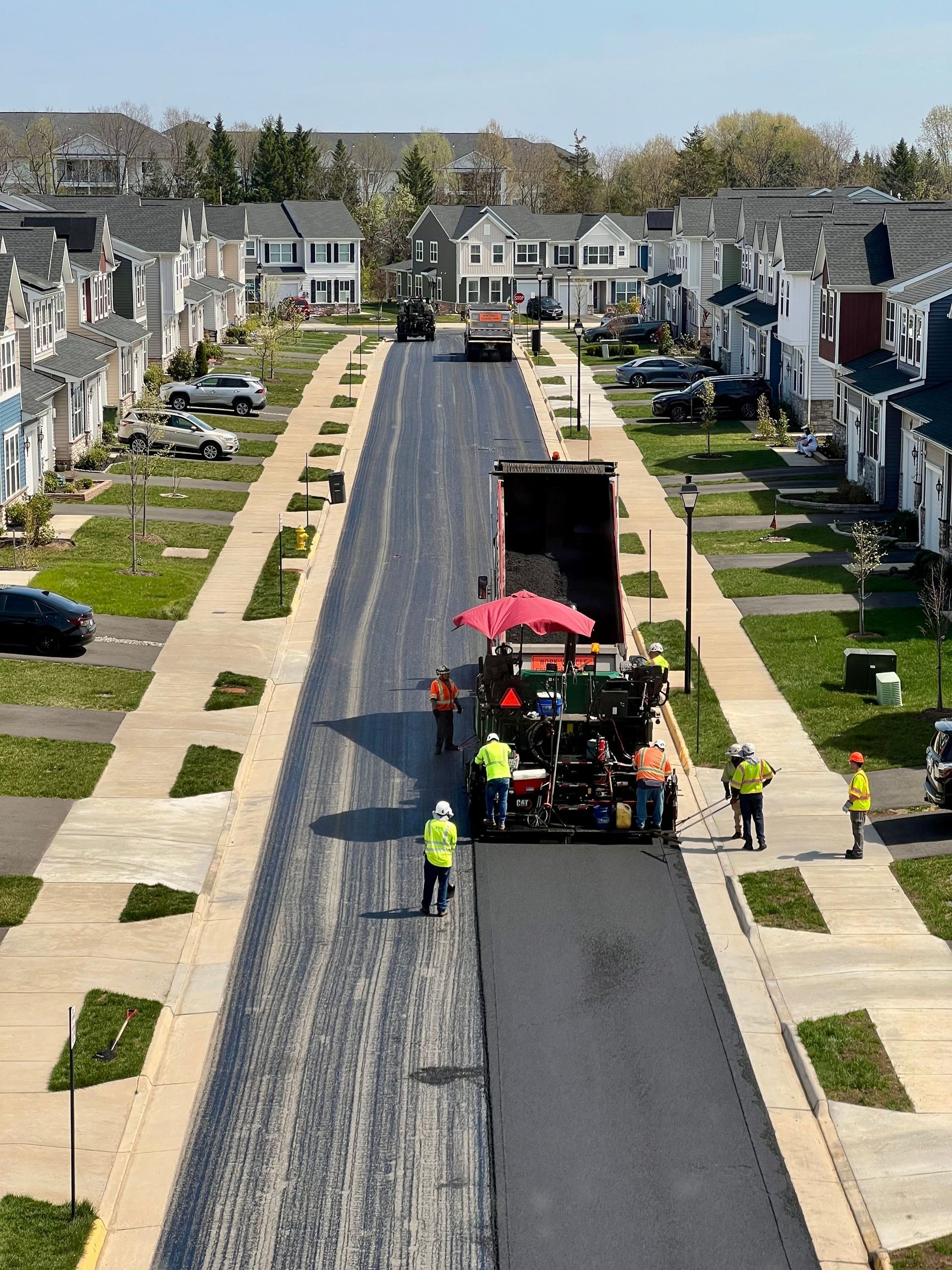
Roadwork crew paving a suburban street with a black asphalt machine and workers in safety vests
June 15, 2026
Learn how HOA paving projects work in NJ. What property managers need to plan, schedule, and budget correctly for smooth, cost-effective roadway improvements.
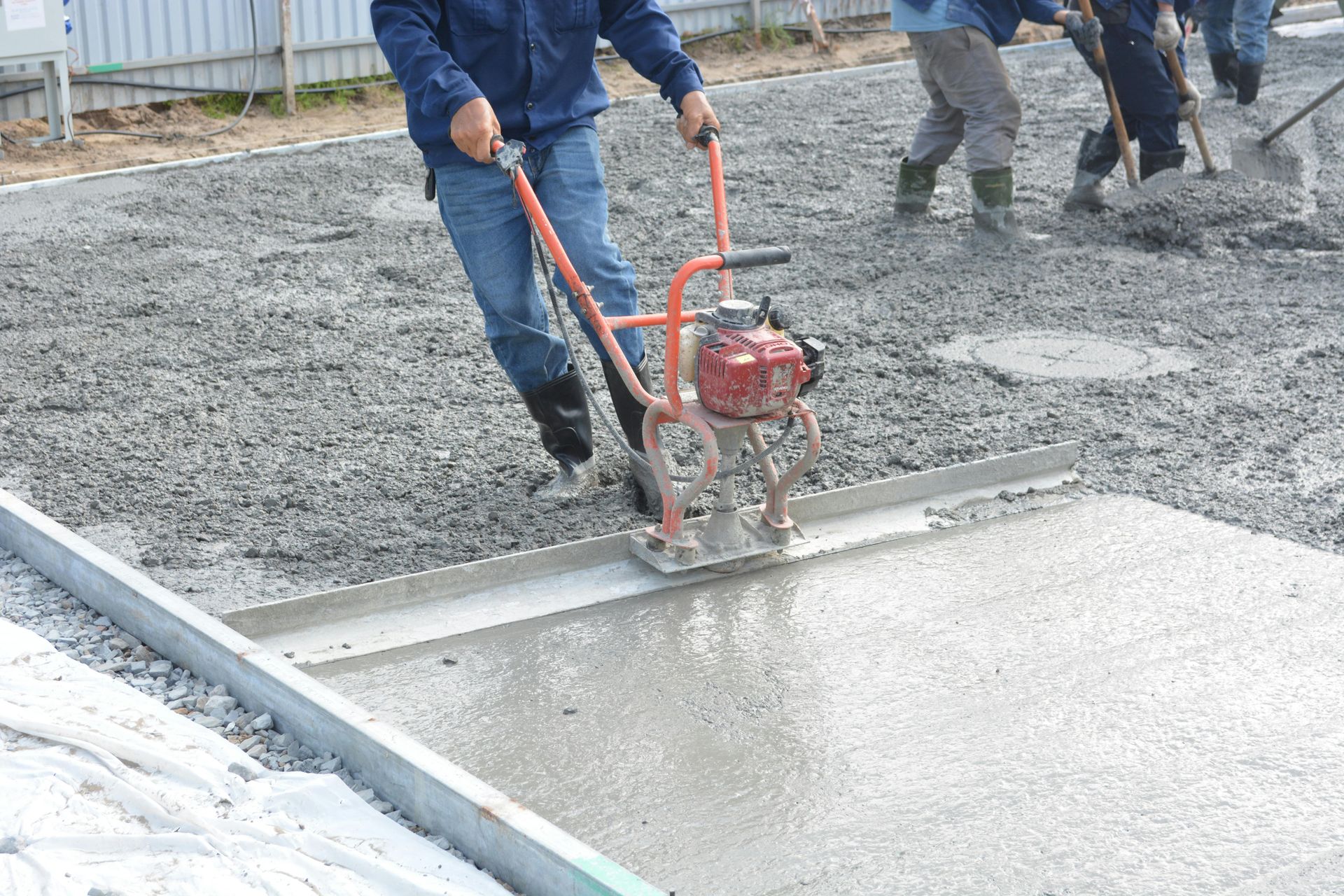
Workers smoothing wet concrete with a power screed on a construction site
May 29, 2026
Learn the essentials of concrete pads and foundations for sheds, garages, and more. Built to last in New Jersey weather and soil conditions. for lasting support.
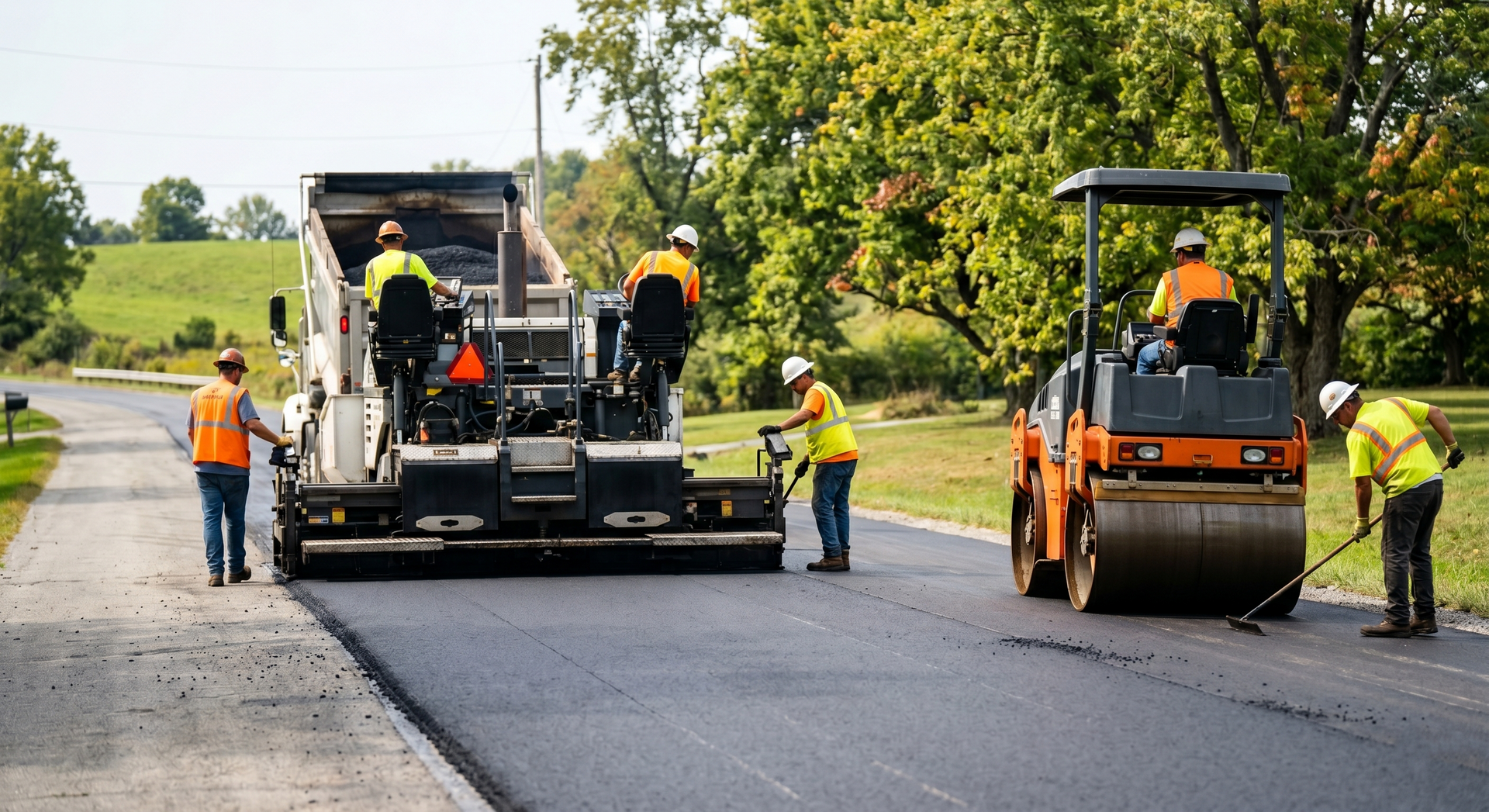
Road crew paving a highway with asphalt machines and workers in safety vests
May 13, 2026
Timing matters when paving in NJ. Learn the ideal seasons and conditions for asphalt and concrete work to ensure durability, quality, and long-lasting results.
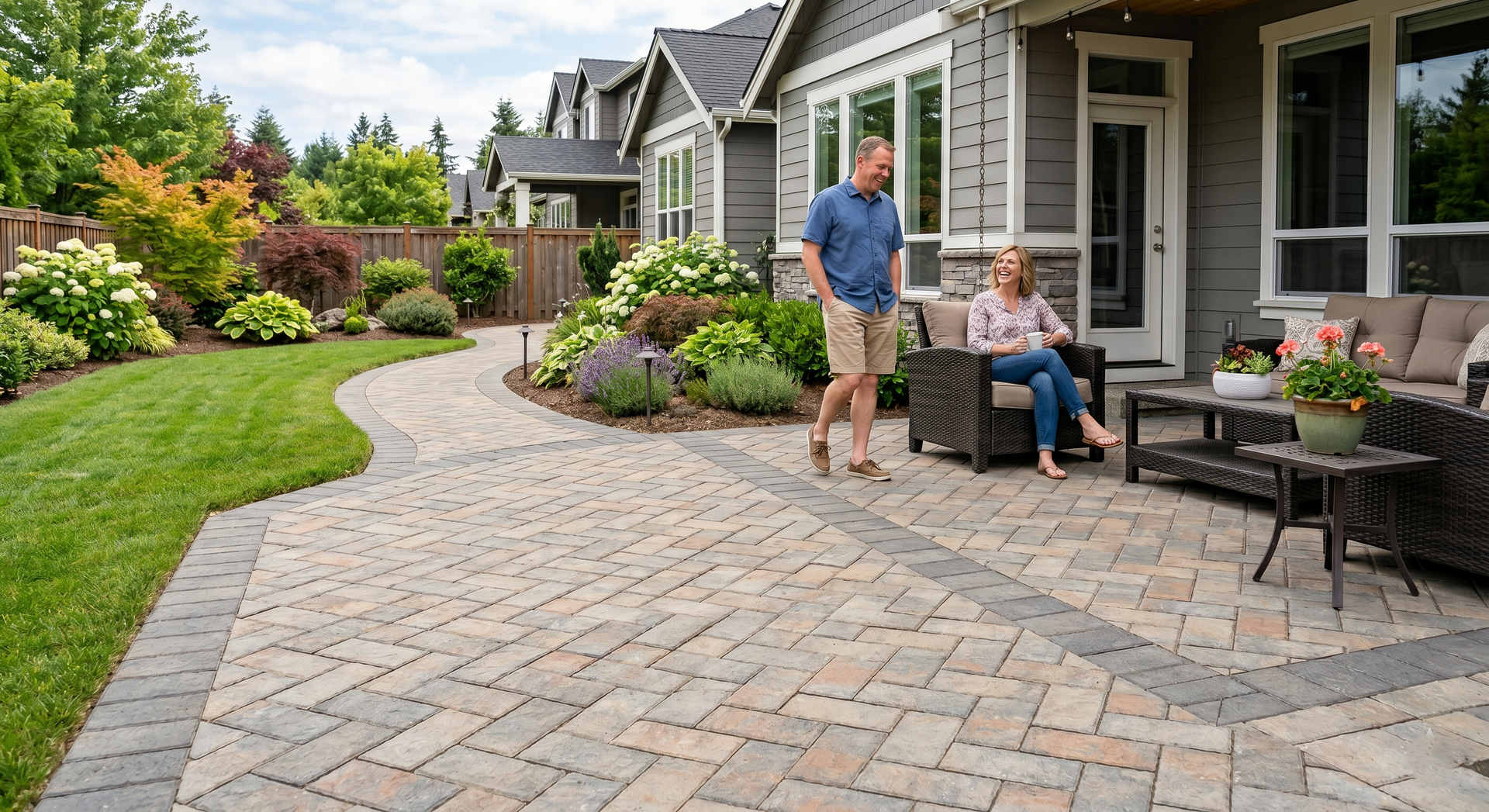
Two people on a patio beside a landscaped home with a curved paver walkway
April 28, 2026
Avoid costly paving mistakes in NJ. Get tips from 4th-generation contractors to save time, money, and ensure long-lasting, durable, high-quality results today.
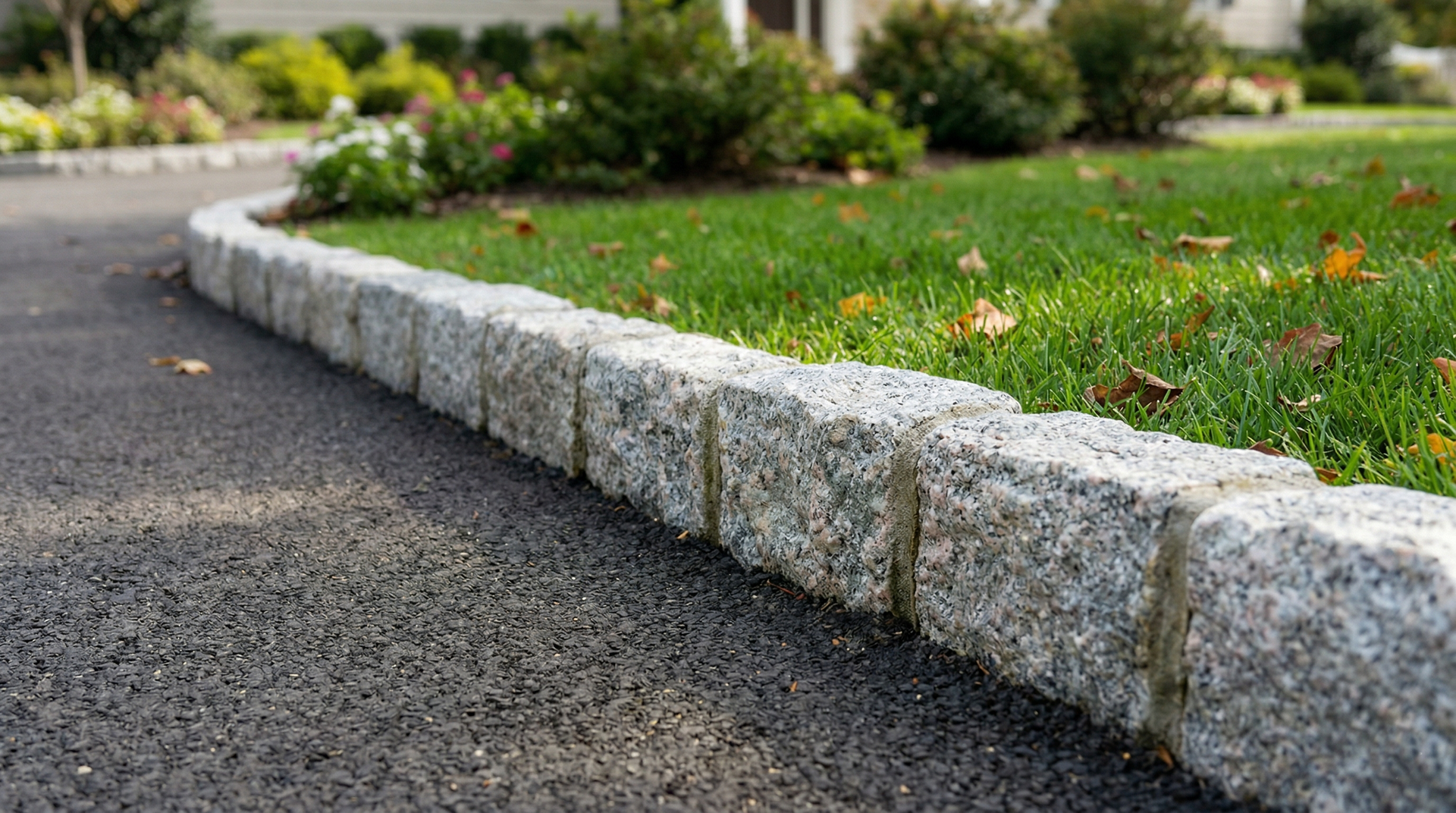
Granite cobblestone edging separates an asphalt driveway from a grassy lawn on a sunny day.
April 13, 2026
Upgrade your driveway or walkway with Belgian block curbing. Enjoy timeless stone, improved curb appeal, durability, and long-term value for your home today.
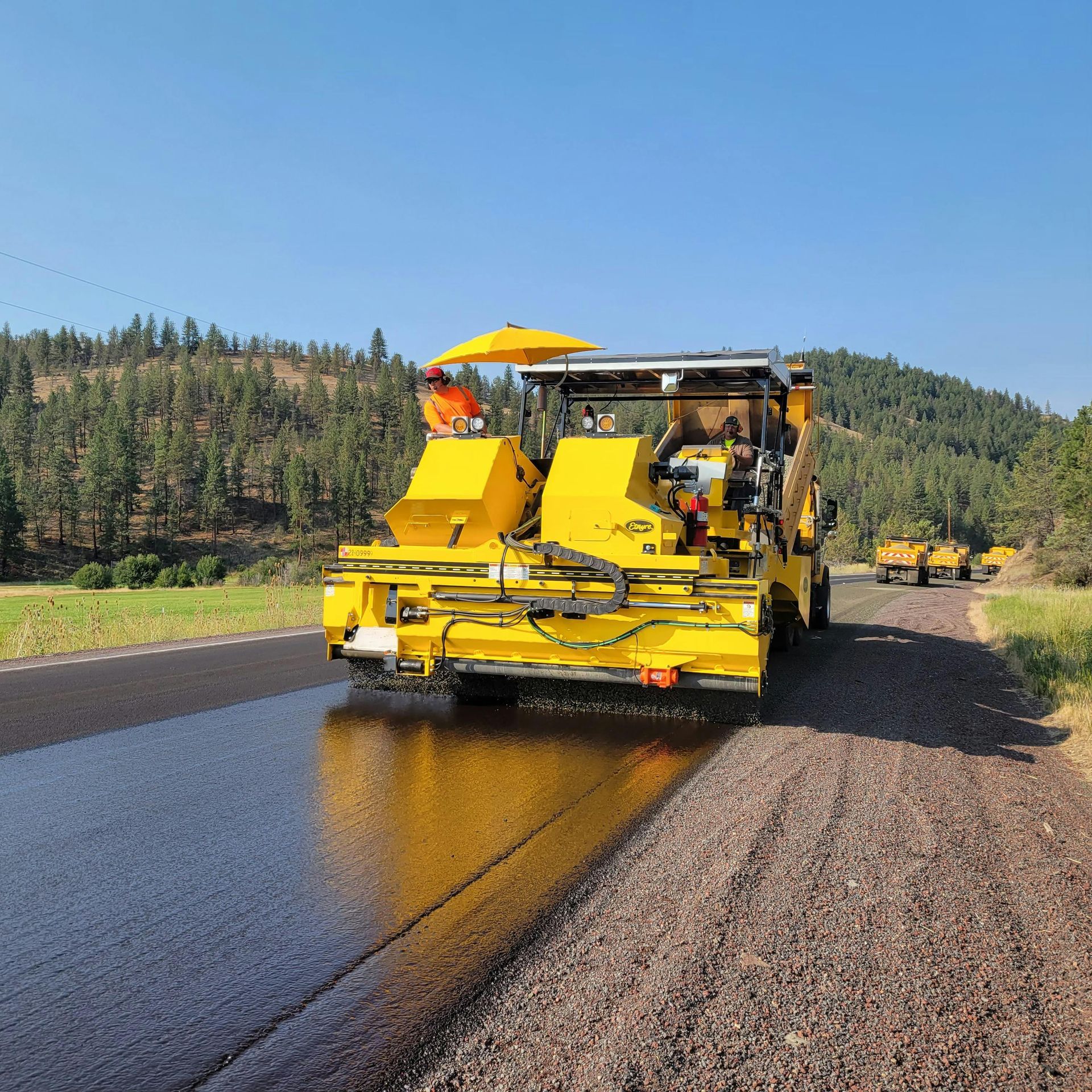
A bright yellow asphalt paver moves along a road, applying a dark liquid sealant over a rocky, unfinished surface.
March 25, 2026
Learn how asphalt milling can save money on your next parking lot resurfacing in NJ, offering a smart, efficient, and long-lasting solution for durable paving.
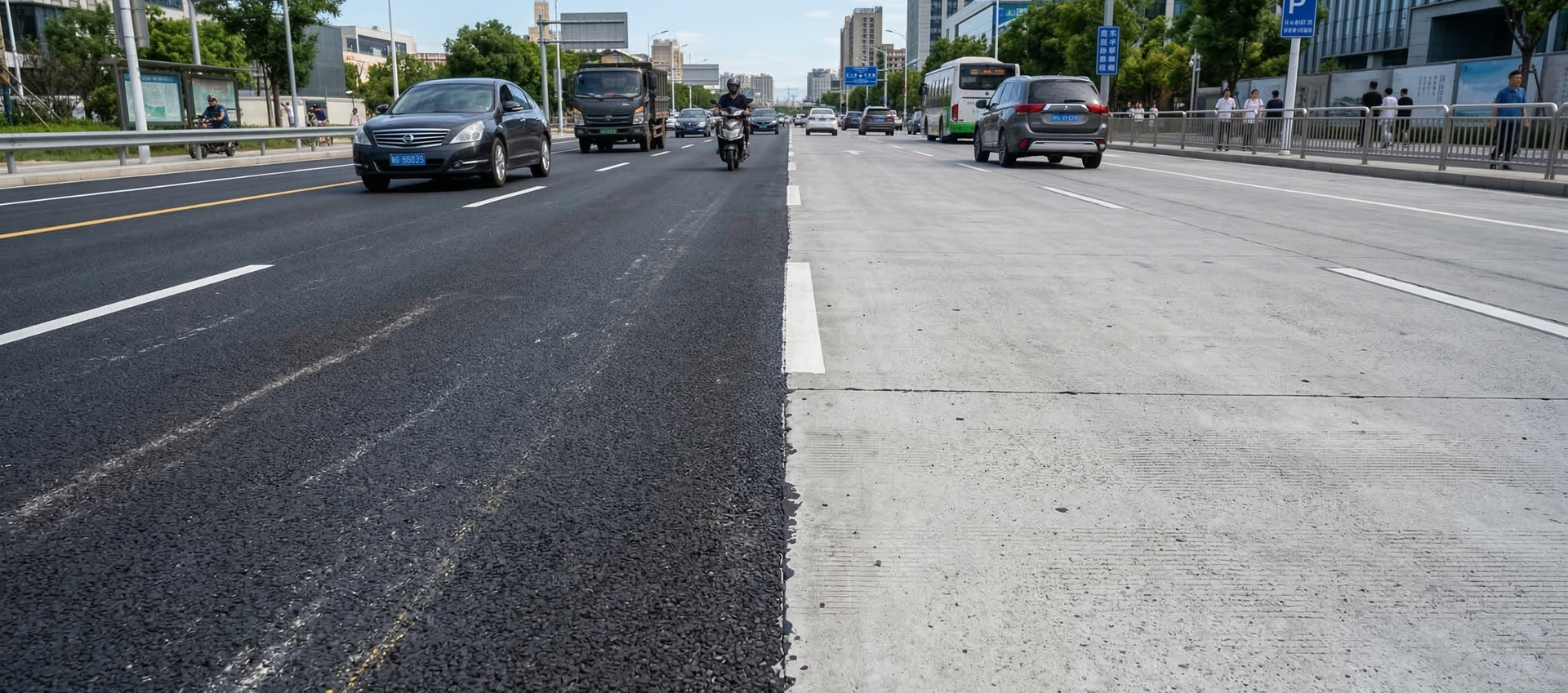
March 10, 2026
Compare asphalt and concrete driveways in NJ. Learn the pros, cons, durability, and costs to choose the best option for your home or business property today.
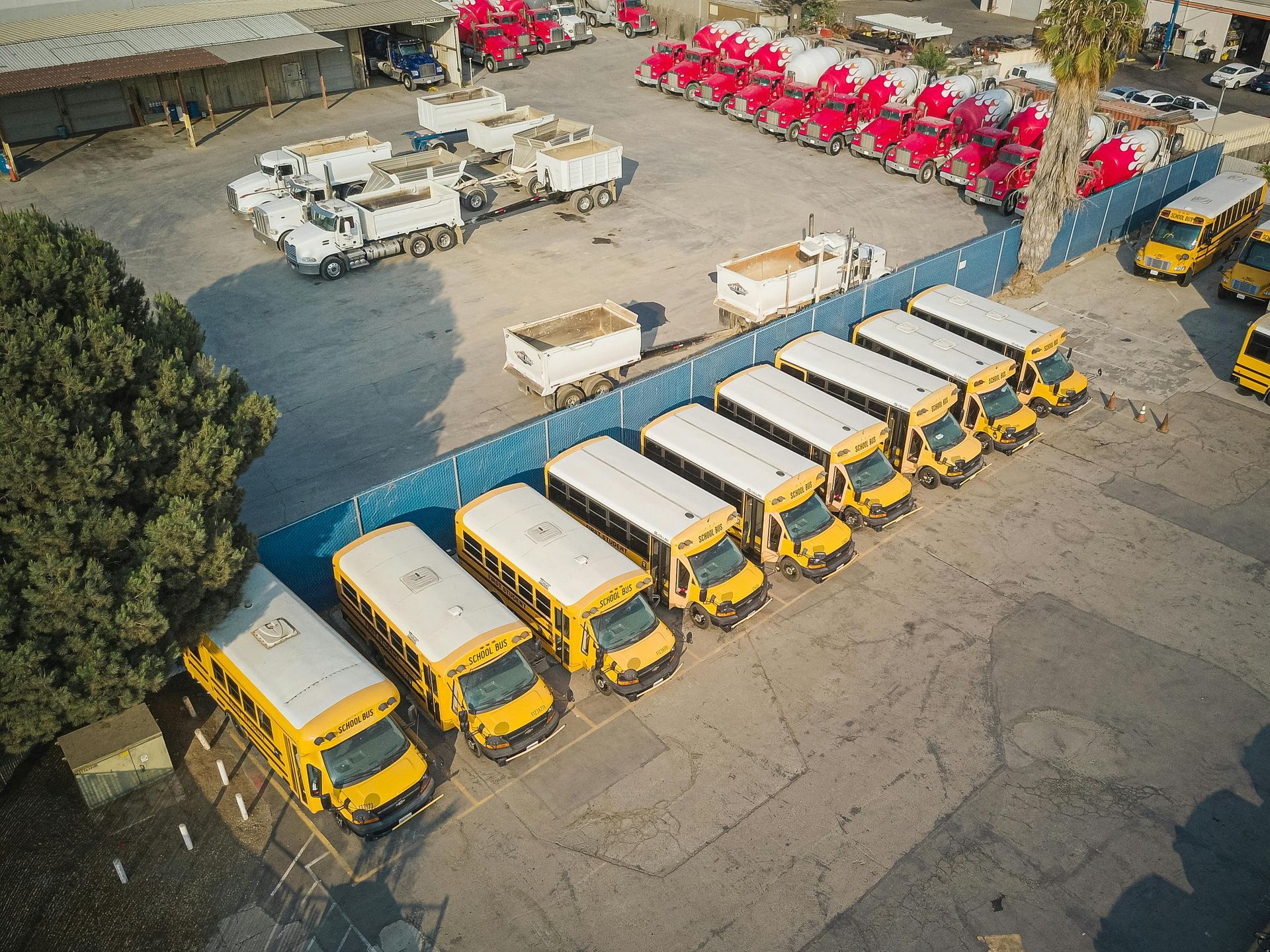
Aerial view of a vehicle yard with yellow school buses, red semi-trucks, and white trucks parked behind a blue fence.
February 23, 2026
Cracks, puddles, or faded striping? Learn the top signs your commercial parking lot in Elizabeth, NJ needs resurfacing. Free evaluations from local experts.
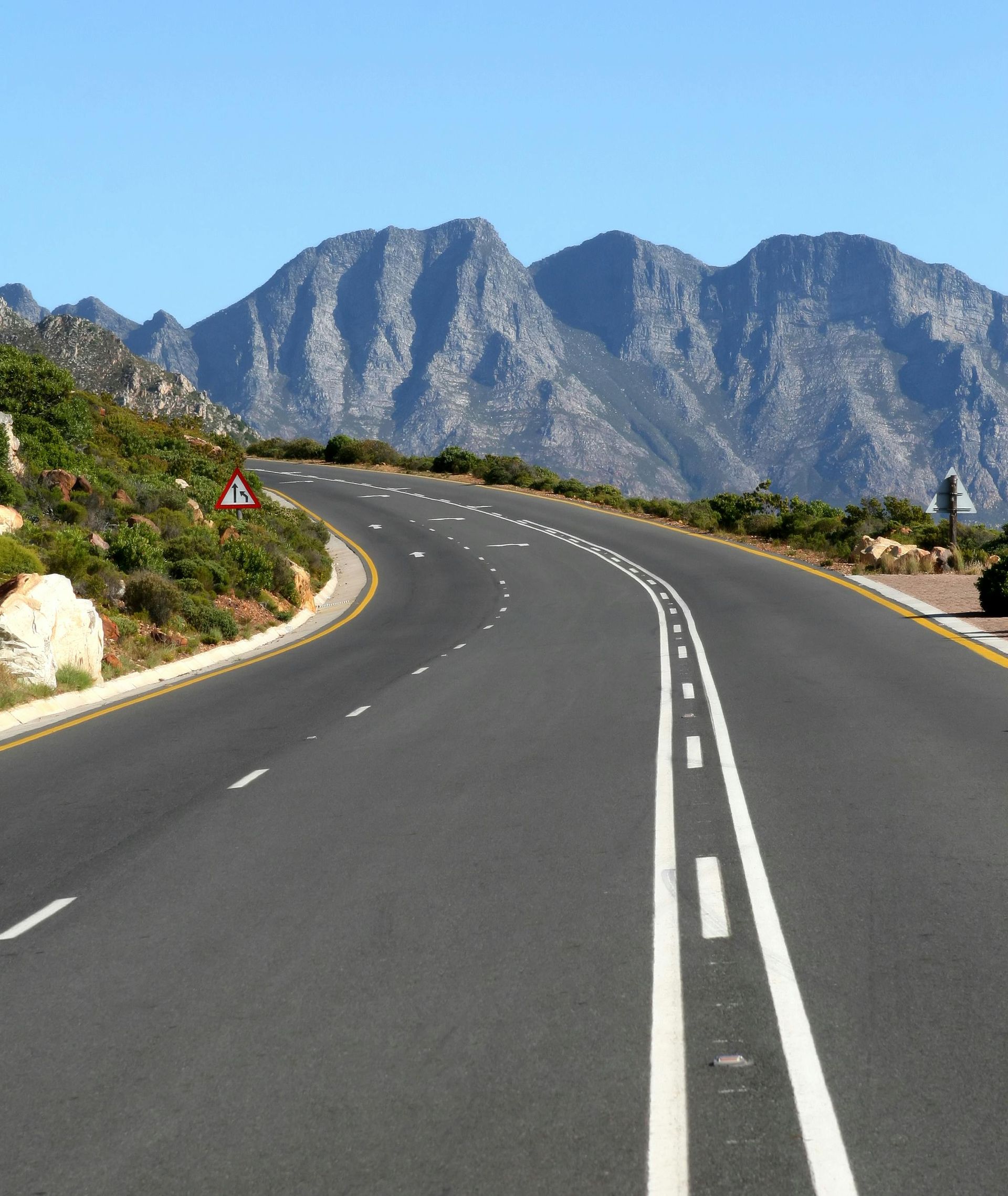
Curving paved road with white lane markings, mountains, and blue sky.
February 6, 2026
Wondering how much it costs to pave a driveway in Elizabeth, NJ? Get average asphalt paving prices, what affects cost, and how to get a free estimate.