What’s the Best Time of Year to Pave in New Jersey?

May 13, 2026

The Ideal Seasons and Conditions for Asphalt and Concrete Work

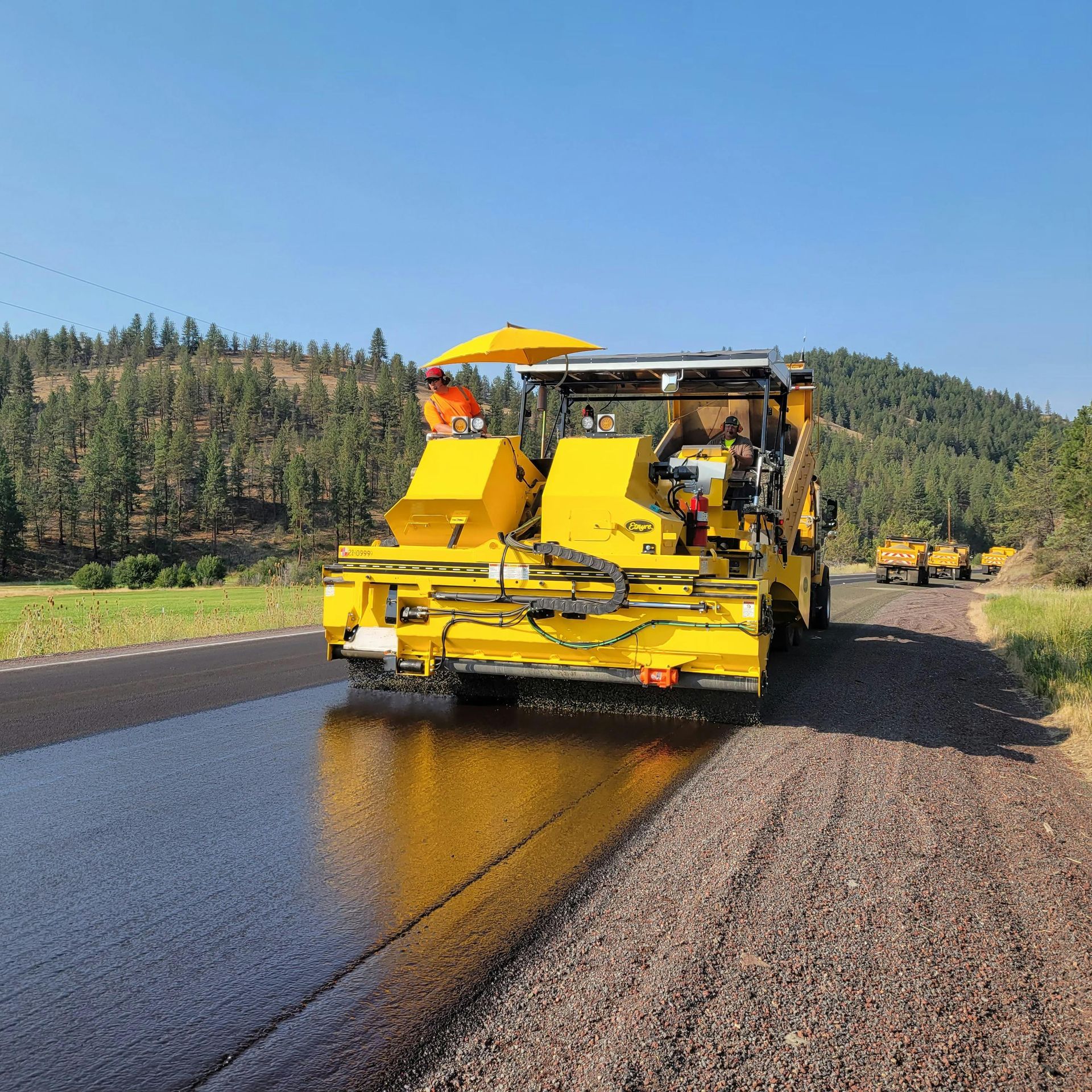
Yellow road paving machine laying fresh black asphalt on a rural road

If you're planning a new driveway, parking lot, roadway, or walkway in New Jersey, timing matters more than many property owners realize. Seasonal weather conditions directly affect how asphalt and concrete cure, how durable the finished surface becomes, and how efficiently your paving contractor can complete the work.

At John Ciano & Son The Paving Authority, we’ve been paving driveways, parking lots, and commercial properties throughout Elizabeth, NJ and Union County since 1945. Over four generations, we’ve learned exactly how weather impacts paving performance—and why choosing the right season can save property owners time, money, and future repairs.

In this guide, we’ll break down the best times of year for paving in New Jersey, how weather affects asphalt and concrete, and what homeowners and property managers should know before scheduling a project.

Why Timing Matters in Paving

Paving is a weather-sensitive process. Asphalt must remain hot long enough during installation to be compacted correctly, while concrete requires controlled temperatures and moisture levels to cure properly.

When paving is done under poor weather conditions, several problems can occur:

  • Cracking and premature wear
  • Weak bonding between asphalt layers
  • Uneven compaction
  • Drainage problems and standing water
  • Surface discoloration or deterioration
  • Shortened lifespan of the pavement

This is why professional paving contractors carefully monitor weather conditions before beginning any installation.

Choosing the right time of year helps ensure:

  • Stronger pavement structure
  • Longer-lasting performance
  • Better drainage control
  • Faster project completion
  • Lower long-term maintenance costs

Best Season to Pave in New Jersey: Late Spring Through Early Fall

In general, the ideal paving season in New Jersey runs from May through October.

During this time:

  • Temperatures are usually between 50°F and 85°F
  • The ground is dry and fully thawed
  • Weather patterns are more stable
  • Asphalt remains workable during compaction
  • Concrete cures more consistently

These conditions allow paving crews to achieve the proper density, smoothness, and structural integrity needed for long-term durability.

Spring Paving in NJ (Late April – June)

Spring is one of the busiest paving seasons in New Jersey because many property owners want projects completed before peak summer activity.

Advantages of Spring Paving

Ideal Temperatures

Moderate spring temperatures create excellent conditions for asphalt installation and concrete curing.

Repair Winter Damage

Spring is the perfect time to address:

  • Potholes
  • Cracks
  • Drainage issues
  • Surface deterioration caused by snow and ice

Better Contractor Availability

Early spring scheduling may offer more flexibility before the busiest summer months begin.

Prepare for Summer Traffic

Commercial lots, HOA roads, and residential driveways can be restored before heavy summer use.

Challenges of Spring Paving

Spring weather can still be unpredictable.

Potential issues include:

  • Heavy rain delays
  • Moisture in the soil
  • Freeze-thaw instability early in the season

Professional contractors evaluate the ground conditions carefully before beginning work.

Summer Paving in NJ (July – August)

Summer is often considered the most productive paving season because warm temperatures help asphalt remain pliable during installation.

Advantages of Summer Paving

Better Asphalt Compaction

Warm temperatures allow asphalt to compact evenly, creating a smoother and stronger finished surface.

Faster Concrete Curing

Concrete cures efficiently in warm weather when moisture levels are properly controlled.

Longer Daylight Hours

Extended daylight allows crews to complete larger projects more efficiently.

Ideal for Commercial Projects

Summer is often the preferred season for:

  • Parking lot resurfacing
  • HOA roadway paving
  • Industrial paving
  • Large-scale commercial work

Challenges of Summer Paving

Extreme summer heat can create challenges too.

Soft Asphalt During Heat Waves

Fresh asphalt may remain softer for longer during periods of intense heat.

Scheduling Demand

Summer is peak paving season, which means:

  • Contractors book quickly
  • Prices may increase
  • Material availability may fluctuate

Booking early is highly recommended.

Early Fall Paving in NJ (September – October)

Many paving professionals consider early fall the “sweet spot” for paving in New Jersey.

Advantages of Fall Paving

Mild Temperatures

Cooler—but not cold—temperatures provide excellent working conditions.

Less Rainfall

Early fall often brings more predictable weather patterns.

Strong Surface Performance

Asphalt compacts well while curing more gradually than in extreme summer heat.

Great Time for Maintenance

Fall is ideal for:

  • Sealcoating
  • Crack filling
  • Surface repairs
  • Drainage corrections

Prepare for Winter

Paving before winter helps protect your property from freeze-thaw damage.

Challenges of Fall Paving

Shorter Days

Reduced daylight hours can limit working time for large projects.

Narrow Weather Window

Once temperatures consistently drop below recommended paving ranges, the season effectively ends.

Can You Pave During Winter in New Jersey?

Technically, yes—but it’s rarely recommended.

Most professional paving companies avoid asphalt installation between late November and early March because cold weather significantly impacts performance.

Why Winter Paving Is Risky

When temperatures fall below 45°F:

  • Asphalt cools too quickly
  • Proper compaction becomes difficult
  • Bonding between layers weakens
  • Moisture and frost affect the base layer

Concrete also faces challenges during winter:

  • Slow curing times
  • Increased cracking risk
  • Need for additives or heating methods

For long-term durability, most contractors postpone major paving projects until warmer conditions return.

How Weather Affects Asphalt Paving

Weather impacts every stage of asphalt installation.

Heat

Warm temperatures help asphalt:

  • Stay flexible during installation
  • Compact properly
  • Bond effectively

Cold

Cold weather can lead to:

  • Poor compaction
  • Surface cracking
  • Uneven texture
  • Premature deterioration

Rain

Rain can:

  • Delay installation
  • Affect curing
  • Weaken the base layer
  • Create drainage issues

At John Ciano & Son, we closely monitor weather forecasts and never rush projects under unsafe conditions.

Best Time for Different Types of Paving Projects

Different paving jobs benefit from different seasons.

Project Type Best Time of Year
Residential Driveways Spring or Early Fall
Parking Lot Paving Summer
Sealcoating Late Spring to Early Fall
Crack Filling Early Fall
Concrete Foundations Spring or Summer
HOA Roadway Projects Summer
Asphalt Milling Summer or Fall
Drainage Corrections Spring

Why Planning Ahead Matters

One of the biggest mistakes property owners make is waiting until peak season to schedule paving.

The best paving contractors in NJ often book weeks—or even months—in advance during summer.

Benefits of Scheduling Early

Better Project Timing

You’ll secure the ideal weather window for your project.

Improved Pricing Stability

Material costs can fluctuate throughout the season.

More Scheduling Flexibility

Especially important for:

  • HOAs
  • Commercial properties
  • Industrial facilities
  • Multi-phase projects

Time for Permits & Prep Work

Larger jobs may require:

  • Permits
  • Site preparation
  • Drainage planning
  • Traffic coordination

Seasonal Maintenance Tips for Asphalt in NJ

No matter when your driveway or parking lot is paved, maintenance is key.

Spring

  • Repair winter cracks
  • Clean debris and salt buildup
  • Inspect drainage

Summer

  • Sealcoat surfaces
  • Address oil stains
  • Monitor heavy traffic wear

Fall

  • Fill cracks before winter
  • Improve drainage
  • Schedule preventative maintenance

Winter

  • Avoid metal snowplows scraping edges
  • Use safe de-icing products
  • Remove standing snow quickly

FAQs – Seasonal Paving in NJ

What’s the coldest temperature you can pave in?

Most contractors avoid paving below:

  • 45°F for asphalt
  • 50°F for concrete

Is summer always the best time to pave?

Not necessarily. Early fall often provides ideal temperatures with less extreme heat.

Can I sealcoat in the fall?

Yes. Early fall is excellent for sealcoating as long as temperatures remain above 50°F for at least 24–48 hours.

How far in advance should I schedule paving?

We recommend scheduling at least:

  • 1–2 months ahead for residential work
  • 2–4 months ahead for commercial or HOA projects

Does rain ruin fresh asphalt?

Heavy rain immediately after installation can impact curing and finish quality. That’s why we monitor forecasts carefully.

Let’s Pick the Right Time for Your Project

Every property is different—and every paving project has unique timing considerations.

At John Ciano & Son The Paving Authority, we help homeowners, business owners, and property managers choose the best season for:

  • Driveway paving
  • Parking lot resurfacing
  • HOA roadway work
  • Sealcoating
  • Concrete and masonry projects

With more than 75 years of experience in New Jersey paving, we know how to schedule projects for maximum performance and longevity.

Book Your Paving Project Before Peak Season

Don’t wait until contractor schedules fill up. Planning ahead ensures your paving project is completed on time, within budget, and under the right weather conditions.

Call today to schedule a free estimate and site evaluation.

📞 (908) 596-0515
📍 Serving Elizabeth, NJ & Union County
🕒 Monday–Friday: 7 AM – 5 PM | Saturday: 7 AM – 12 PM

Recent Posts

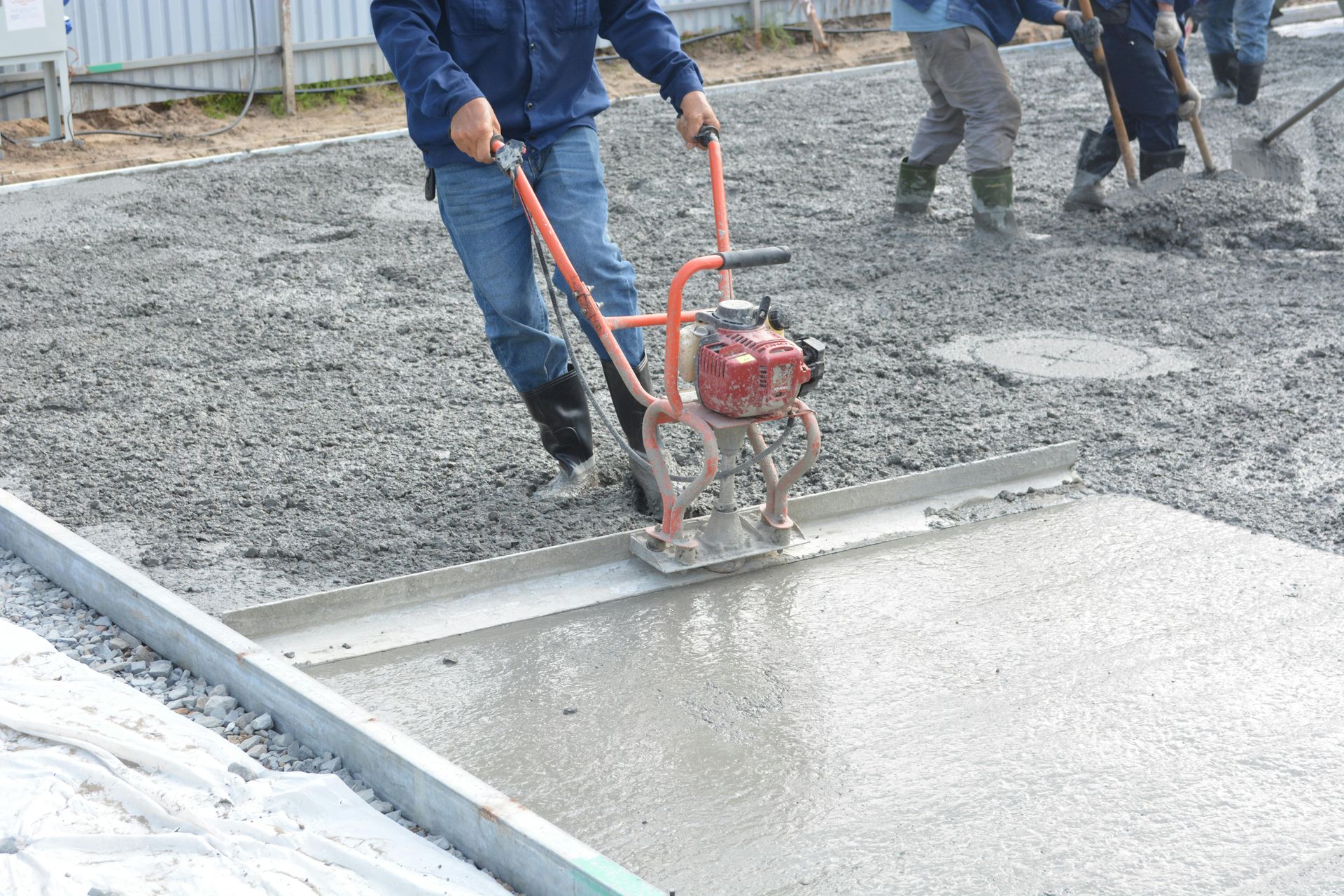
Workers smoothing wet concrete with a power screed on a construction site
May 29, 2026
Learn the essentials of concrete pads and foundations for sheds, garages, and more. Built to last in New Jersey weather and soil conditions. for lasting support.
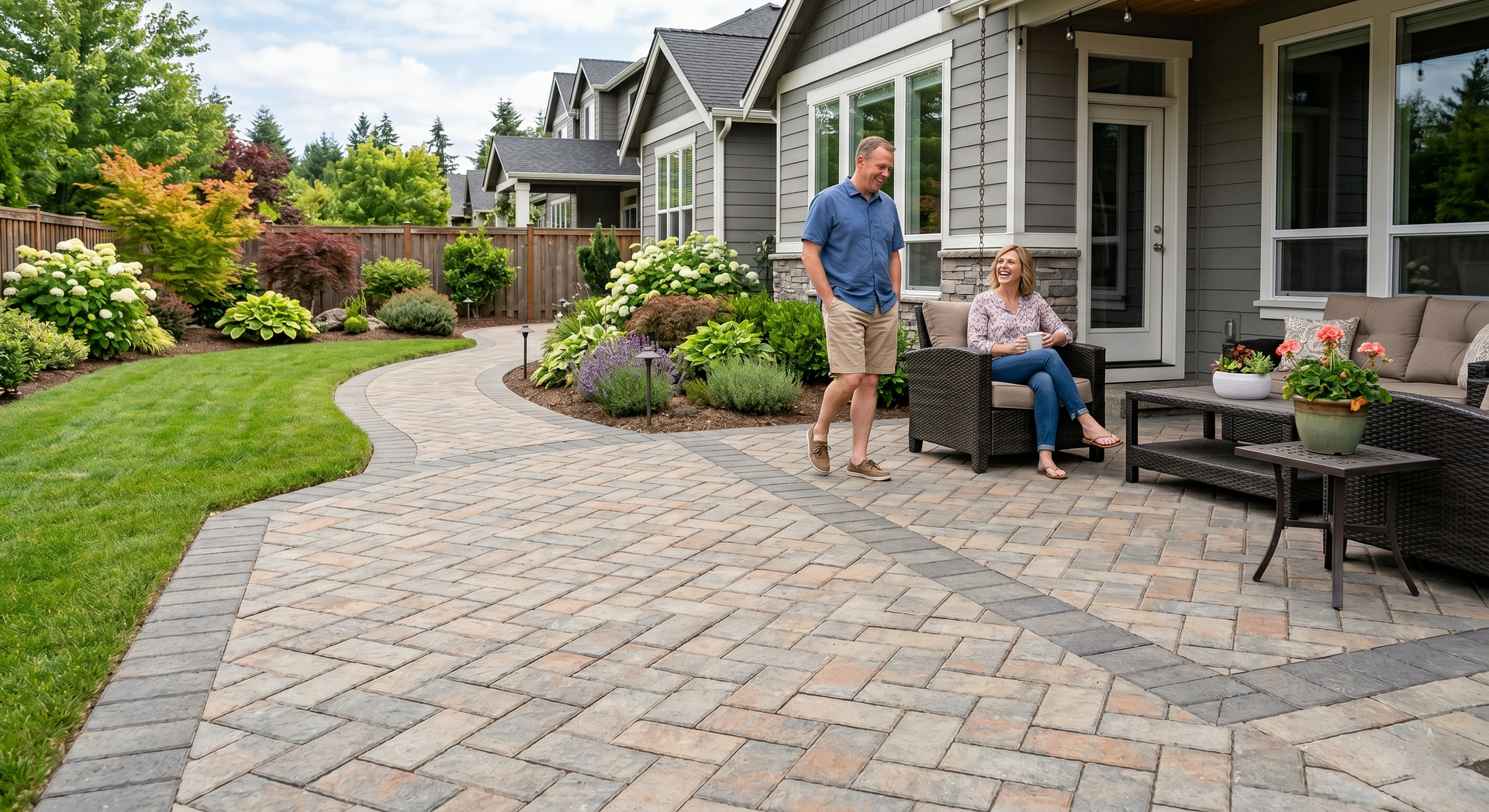
Two people on a patio beside a landscaped home with a curved paver walkway
April 28, 2026
Avoid costly paving mistakes in NJ. Get tips from 4th-generation contractors to save time, money, and ensure long-lasting, durable, high-quality results today.
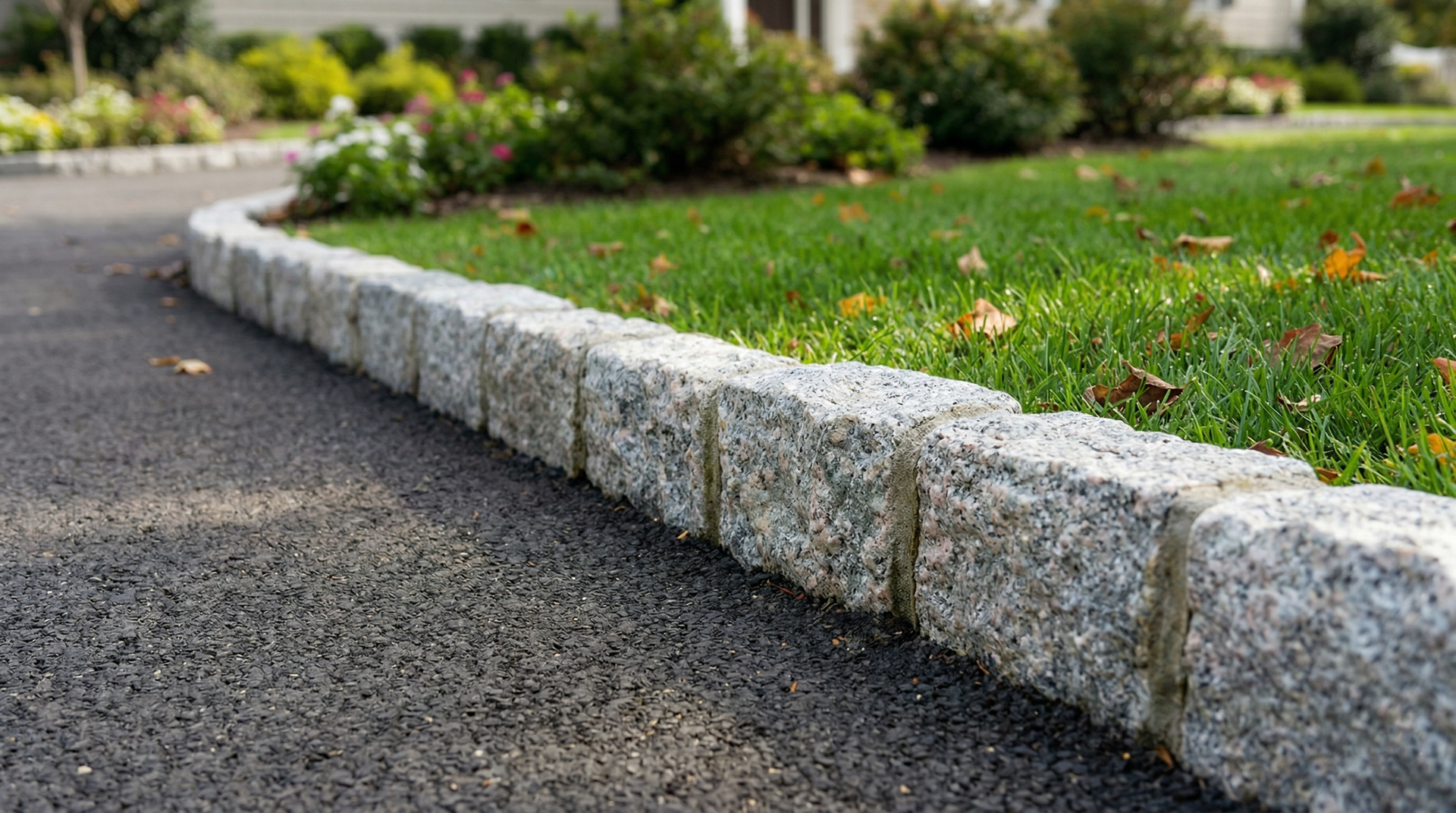
Granite cobblestone edging separates an asphalt driveway from a grassy lawn on a sunny day.
April 13, 2026
Upgrade your driveway or walkway with Belgian block curbing. Enjoy timeless stone, improved curb appeal, durability, and long-term value for your home today.
A bright yellow asphalt paver moves along a road, applying a dark liquid sealant over a rocky, unfinished surface.
March 25, 2026
Learn how asphalt milling can save money on your next parking lot resurfacing in NJ, offering a smart, efficient, and long-lasting solution for durable paving.
March 10, 2026
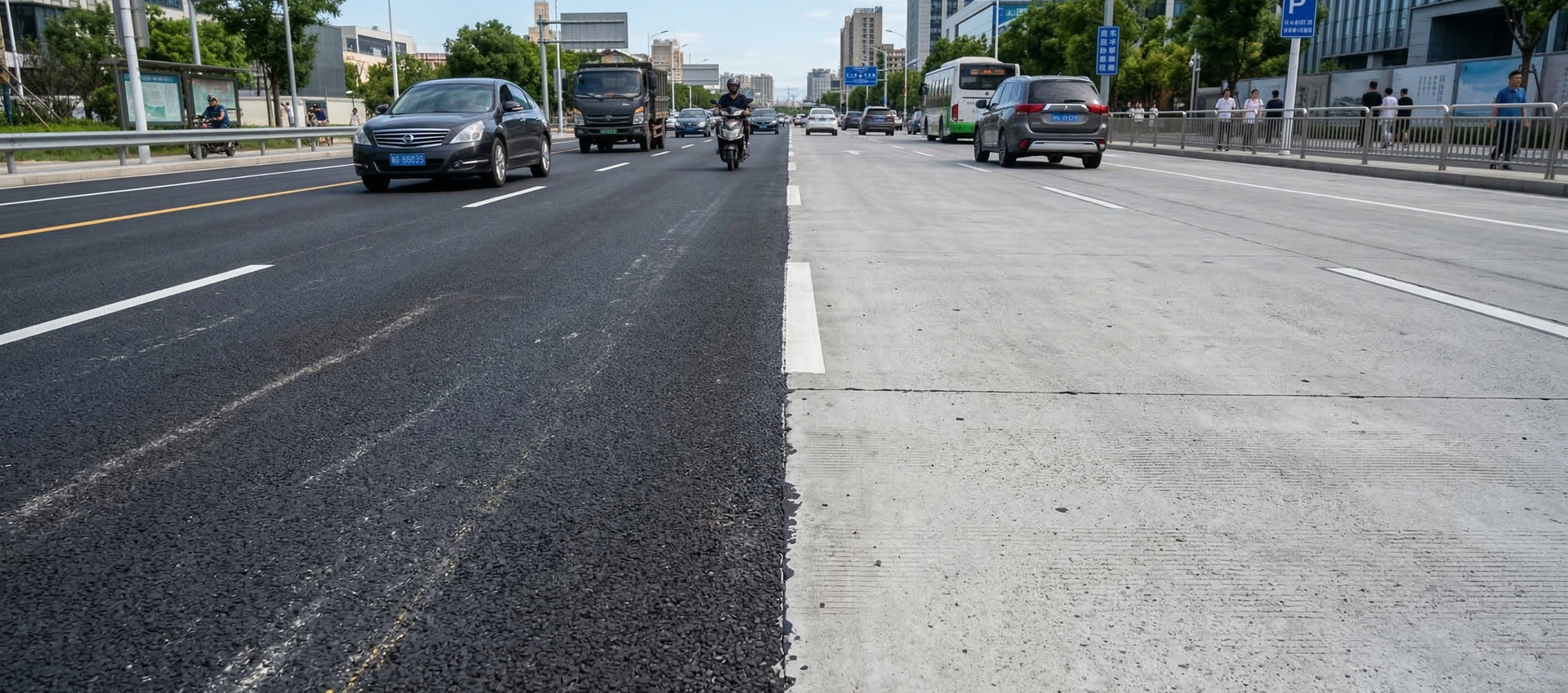
Compare asphalt and concrete driveways in NJ. Learn the pros, cons, durability, and costs to choose the best option for your home or business property today.
Aerial view of a vehicle yard with yellow school buses, red semi-trucks, and white trucks parked behind a blue fence.
February 23, 2026
Cracks, puddles, or faded striping? Learn the top signs your commercial parking lot in Elizabeth, NJ needs resurfacing. Free evaluations from local experts.
Curving paved road with white lane markings, mountains, and blue sky.
February 6, 2026
Wondering how much it costs to pave a driveway in Elizabeth, NJ? Get average asphalt paving prices, what affects cost, and how to get a free estimate.