Why Belgian Block Curbing Adds Instant Curb Appeal
Benefits of Belgian Block Curbing

Looking for a simple way to elevate the look—and durability—of your driveway or walkway? Belgian block curbing is a timeless, highly functional upgrade that adds character, structure, and lasting value to any residential or commercial property.
At
John Ciano & Son The Paving Authority, we’ve been installing Belgian block across
Elizabeth, NJ, and
Union County for decades. In this post, we’ll explain what makes this classic stone curb such a smart investment and why so many homeowners and property managers are choosing it over concrete or asphalt edges.
What Is Belgian Block?
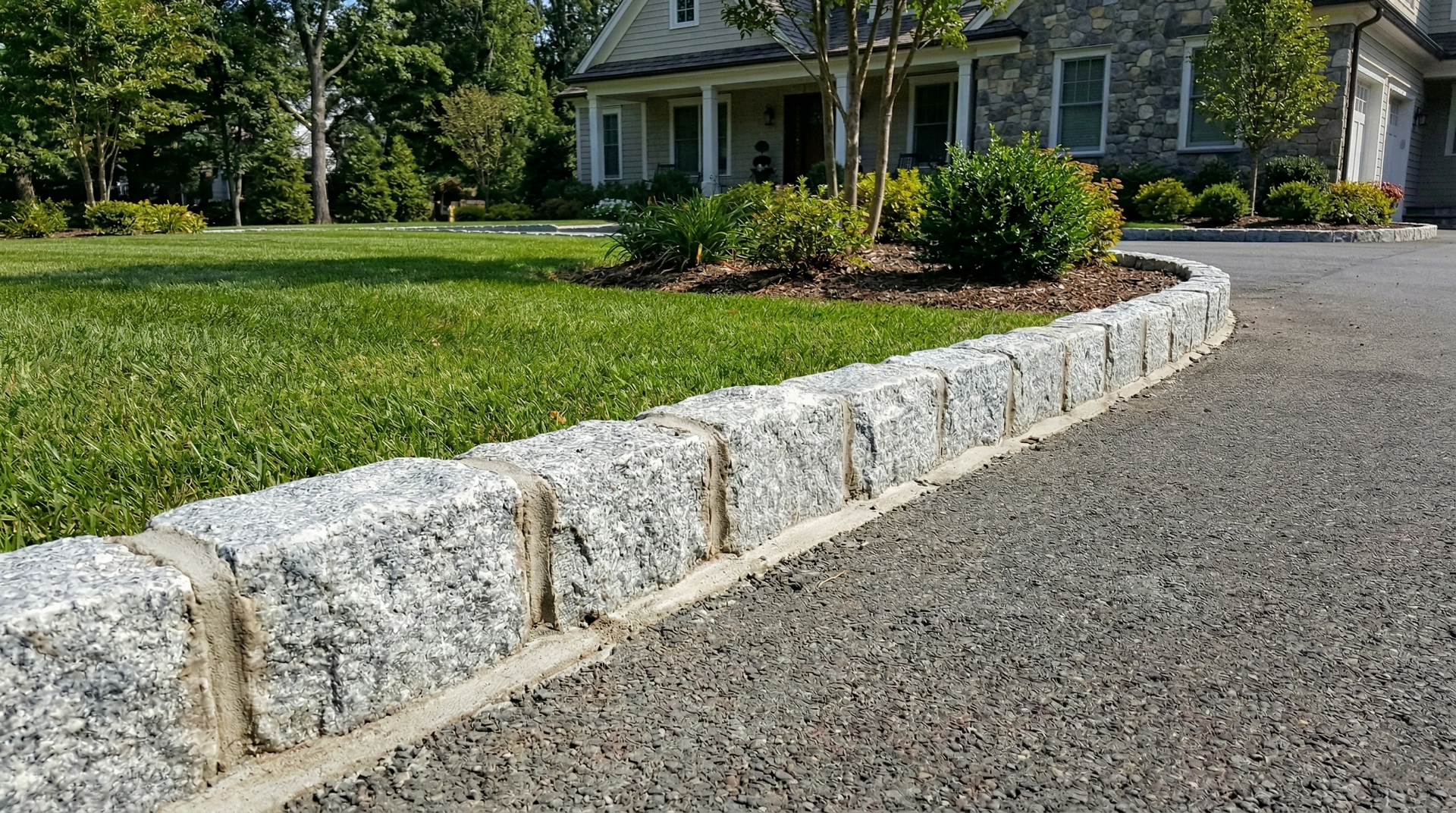
Belgian block is a type of quarried granite stone, traditionally cut into rectangular or square-shaped blocks. Known for its rugged texture, grayish color, and extreme durability, this material has been used for centuries in historic roadways, bridges, and urban curbing.
Each block is slightly irregular, giving it a natural look that complements both traditional and modern homes. It’s often used to edge:
- Asphalt driveways
- Stone or paver walkways
- Landscape beds
- Parking lot islands
- Garden borders
Unlike poured concrete curbs, Belgian block curbing is
installed piece by piece, creating a lasting and visually appealing perimeter that resists cracking and decay.
Top Benefits of Belgian Block Curbing
1. Superior Durability
Granite is one of the hardest natural stones on earth. It’s highly resistant to cracking, chipping, and erosion—even in harsh New Jersey winters.
While concrete and asphalt curbing may shift or degrade over time, Belgian block holds its structure for decades. That means fewer repairs and replacements, especially in areas that get frequent vehicle traffic, snowplow contact, or salt exposure.
2. Enhanced Curb Appeal
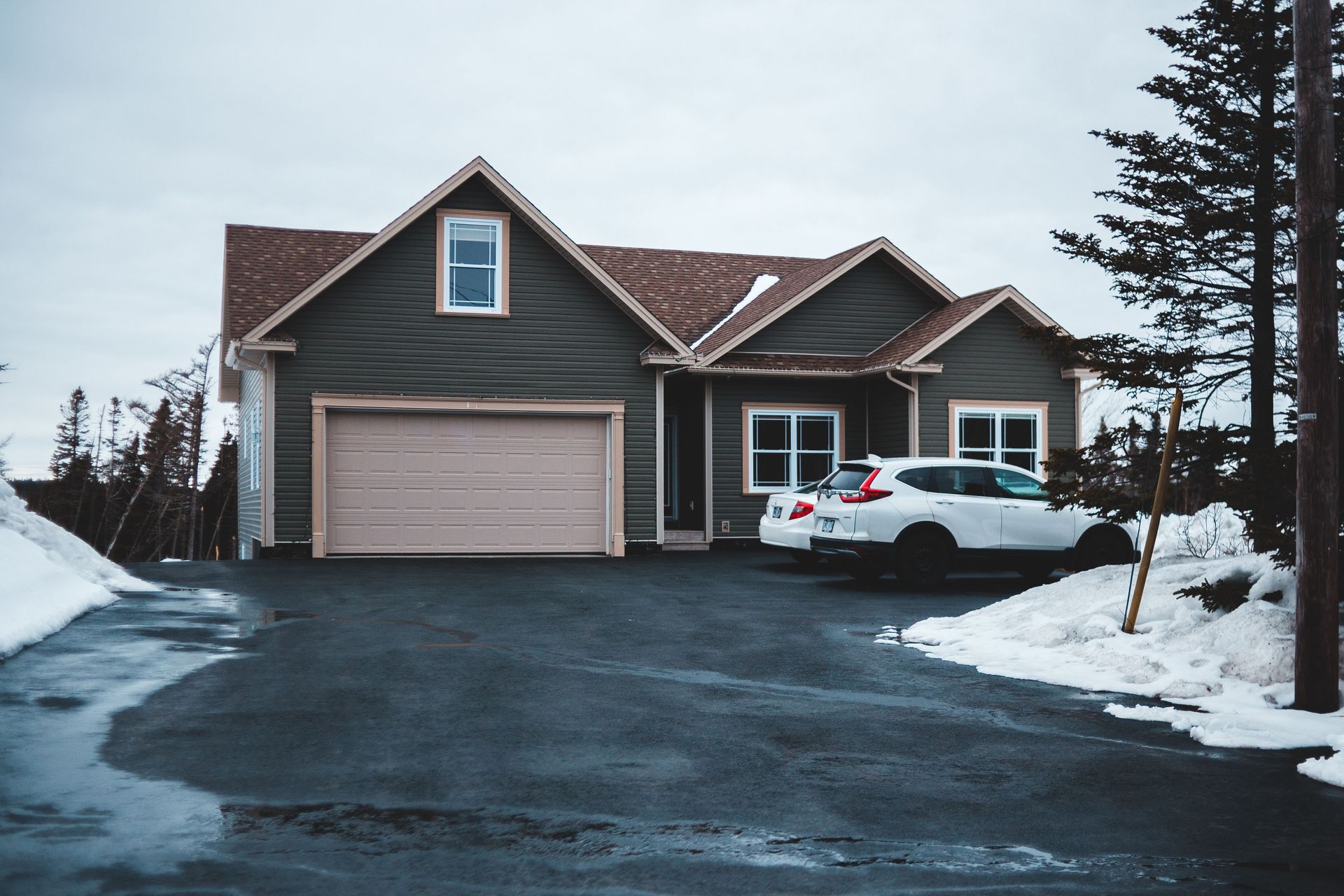
From the moment it’s installed, Belgian block instantly upgrades the look of your driveway, entrance, or walkway. Its classic design creates a sharp border between asphalt and lawn or garden areas—and complements a wide range of home styles.
Curbing is often the finishing touch that transforms a good paving job into a great one. For homeowners planning to sell, it’s a subtle but noticeable feature that adds resale value.
3. Keeps Edges Intact
Without curbing, asphalt edges tend to break down over time—especially when lawn equipment or vehicle tires cross over them. Belgian block acts as a physical barrier that protects the pavement edge and keeps landscaping materials in place.
It also prevents:
- Erosion from water runoff
- Grass and weeds from creeping into driveways
- Gravel or mulch from spilling onto walkways
4. Timeless, Natural Look
Unlike concrete curbs that stain or show wear, Belgian block maintains its color and finish over time. The stone’s natural variations in hue and texture give it an old-world charm that blends well with brick, siding, stucco, and natural landscaping.
It never goes out of style—and looks even better as it ages.
5. Low Maintenance
Once properly installed, Belgian block requires virtually no maintenance. There’s no sealing or painting needed, and it holds up against salt, snow, rain, and UV rays with ease.
You can expect decades of performance with only occasional cleaning or weed control between joints.
Installation: What to Expect
At John Ciano & Son, we follow a proven process to ensure every Belgian block curb is strong, level, and built to last:
- Excavation – We dig a trench to the appropriate depth along the driveway or walkway.
- Base Preparation – A crushed stone base is installed and compacted for stability.
- Block Setting – Each stone is set in mortar or concrete and carefully aligned.
- Backfill & Finishing – The area is backfilled and cleaned, leaving clean edges and a finished appearance.
Depending on the length of your driveway, installation can typically be completed in
1–2 days.
Where to Use Belgian Block
You can use Belgian block in a variety of residential and commercial applications, including:
- Driveway perimeters
- Walkway borders
- Tree rings
- Retaining wall accents
- Garden bed edging
- Parking lot dividers
We often recommend it for clients who want to complement
asphalt paving or decorative stonework while improving long-term durability.
FAQs – Belgian Block Curbing
Is Belgian block the same as cobblestone?
They’re similar, but not identical. Belgian block is quarried and cut from granite. Cobblestones are often rounded, irregular stones gathered from riverbeds or older roadways.
How long does Belgian block last?
With proper installation, it can last 50+ years without shifting, cracking, or wearing down.
Can a Belgian block be used with asphalt?
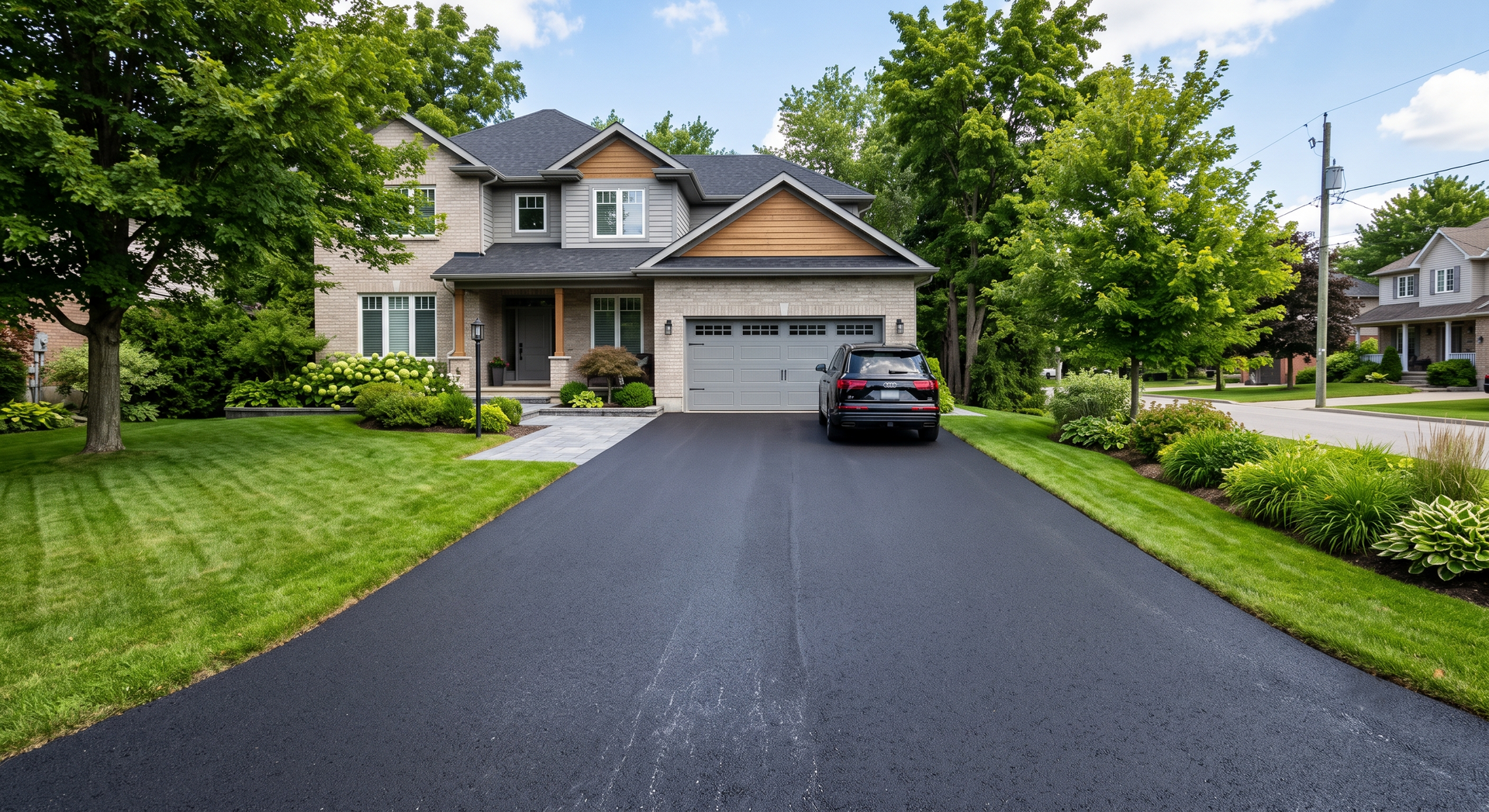
Absolutely. We install it alongside new or existing asphalt driveways to protect and frame the edges.
Does it require mortar?
For high-traffic areas, we typically set blocks in concrete or mortar to prevent movement. Dry-set options are available for landscaping.
Add Strength and Style to Your Property
If you’re looking for a functional and beautiful upgrade to your paving project, Belgian block curbing delivers on both fronts. It enhances the look of your property while reducing future maintenance—and shows visitors that you care about the details.
At
John Ciano & Son, we specialize in expert installation and offer a wide range of natural stone options to match your home’s style and layout.
Get a Free Estimate for Curbing in Union County
Ready to add Belgian block to your driveway, walkway, or landscape? Let’s talk. We’ll walk your property, discuss layout options, and give you a quote that fits your vision and budget.
📞 Call us at
(908) 596-0515
📍 Serving: Elizabeth, NJ | Union County | Surrounding Communities
🕒 Mon–Fri: 7 AM – 5 PM Sat: 7 AM – 8 PM