
How Long Does an Asphalt Driveway Last? Tips to Maximize Its Lifespan

July 15, 2026
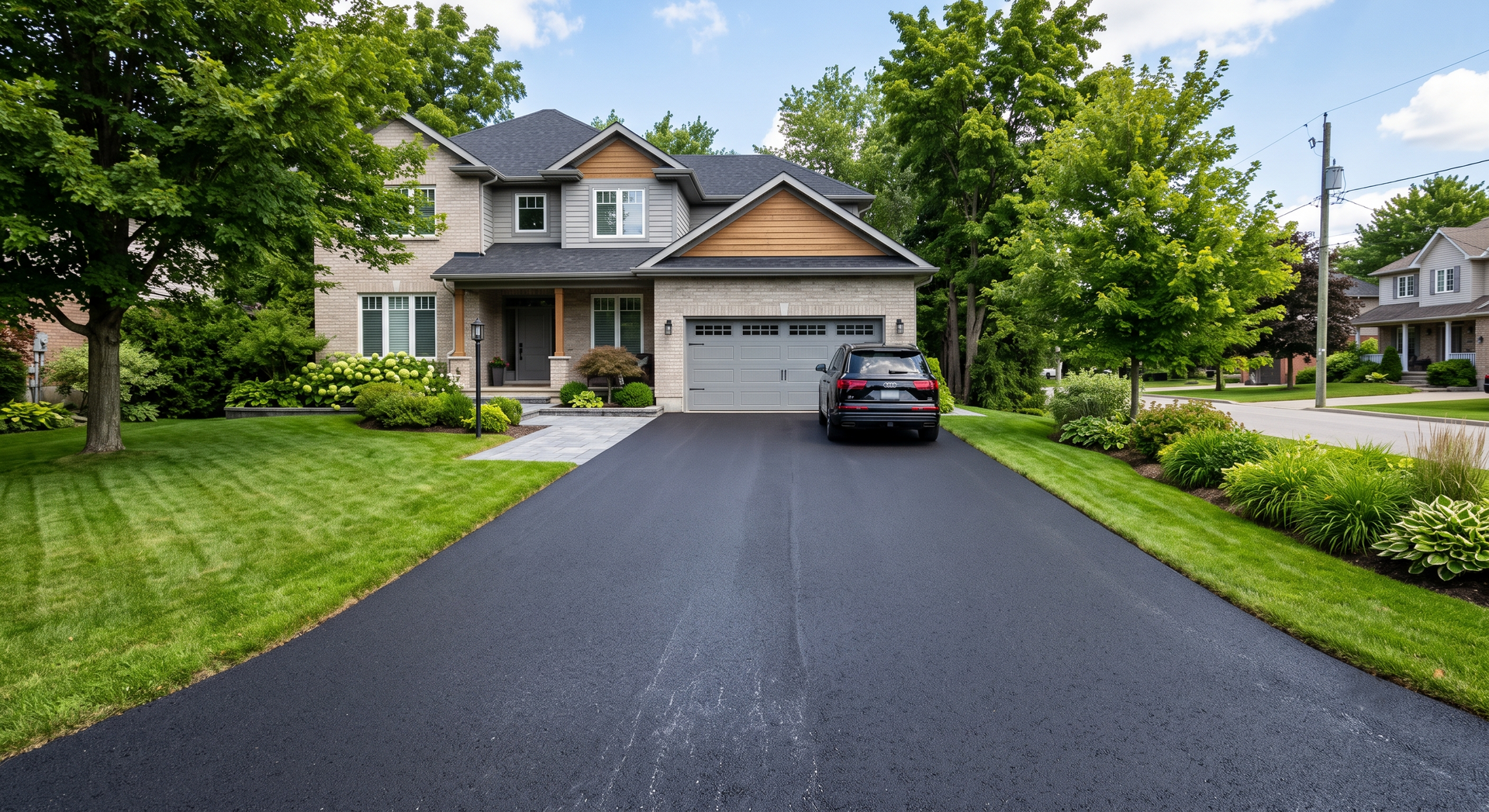
Suburban house with a long black driveway, green lawn, and a parked car in front.

Installing a new asphalt driveway is one of the best investments you can make in your home's curb appeal and functionality. But one of the first questions homeowners ask is, "How long will my asphalt driveway last?"

The answer depends on several factors, including the quality of the installation, the materials used, traffic levels, weather conditions, and ongoing maintenance. While every driveway is different, a professionally installed asphalt driveway can typically last 15 to 25 years, and in many cases even longer with proper care.

At John Ciano & Son The Paving Authority, we've been installing and maintaining asphalt driveways throughout Elizabeth, NJ and Union County since 1945. Over four generations, we've seen firsthand what helps a driveway last—and what causes premature failure.

In this guide, we'll explain what affects the lifespan of asphalt pavement, how to protect your investment, and when it's time to repair or replace your driveway.

Average Lifespan of an Asphalt Driveway

For most residential properties in New Jersey, asphalt driveways generally last:

  • 15–20 years with standard maintenance
  • 20–25+ years with routine sealcoating, crack filling, and proper drainage
  • Less than 15 years if installed incorrectly or neglected

The quality of the initial installation plays a major role. A properly prepared base, quality asphalt mix, and professional compaction provide the foundation for long-lasting performance.

What Affects the Life of an Asphalt Driveway?

Several factors influence how long your driveway will remain in excellent condition.

Quality of Installation

A driveway is only as strong as its foundation.

Proper installation includes:

  • Excavation to stable soil
  • Correct grading for drainage
  • Compacted stone base
  • Proper asphalt thickness
  • Professional rolling and compaction

Cutting corners during installation often leads to cracking, settling, and premature deterioration.

New Jersey Weather

Our local climate is one of the biggest challenges for asphalt.

Throughout the year, driveways experience:

  • Freezing winter temperatures
  • Snow and ice removal
  • Road salt exposure
  • Heavy spring rain
  • Hot summer sun
  • Freeze-thaw cycles

These constant changes place stress on asphalt and make regular maintenance essential.

Vehicle Traffic

Not all driveways experience the same amount of use.

Heavy vehicles such as:

  • Delivery trucks
  • Moving vans
  • RVs
  • Commercial equipment

can place significantly more pressure on asphalt than standard passenger vehicles.

If heavy loads are expected, a thicker asphalt surface may be recommended during installation.

Drainage

Water is the number one cause of asphalt failure.

Poor drainage allows water to:

  • Penetrate small cracks
  • Wash away the base material
  • Create soft spots
  • Cause potholes
  • Accelerate freeze-thaw damage

Professional grading ensures water flows away from the driveway rather than pooling on its surface.

Signs Your Driveway Is Aging

Even well-maintained asphalt eventually begins showing signs of wear.

Watch for:

  • Fading from black to gray
  • Hairline cracks
  • Surface oxidation
  • Small potholes
  • Uneven areas
  • Standing water
  • Loose gravel
  • Edge deterioration

Identifying these issues early often allows for affordable repairs before major damage develops.

How to Extend the Life of Your Asphalt Driveway

Fortunately, there are several ways to maximize your driveway's lifespan.

Sealcoat Every 2–3 Years

Sealcoating protects asphalt from:

  • UV rays
  • Water
  • Oil stains
  • Salt
  • Oxidation

Regular sealcoating is one of the most cost-effective maintenance services available.

Repair Cracks Early

Small cracks quickly become large cracks.

Once water enters the pavement, it can weaken the foundation beneath the asphalt.

Filling cracks promptly prevents more expensive repairs later.

Keep the Surface Clean

Leaves, dirt, oil, and debris trap moisture against the asphalt.

Regular sweeping and occasional pressure washing help preserve the surface.

Oil spills should be cleaned as soon as possible to prevent deterioration.

Avoid Heavy Loads

If possible:

  • Avoid parking heavy trucks in the same location.
  • Rotate parking spots occasionally.
  • Keep dumpsters or construction materials off residential driveways.

Reducing concentrated weight helps minimize surface stress.

Maintain Proper Drainage

Keep nearby drains clear and ensure landscaping doesn't redirect water toward your driveway.

If standing water develops, have it inspected before the damage worsens.

Repair or Replace?

Many homeowners wonder whether their driveway needs repairs or complete replacement.

Repairs May Be Enough If:

  • Cracks are limited.
  • The base remains solid.
  • Damage affects only small areas.
  • Drainage is still functioning properly.

Replacement May Be Necessary If:

  • Large potholes are widespread.
  • The driveway has extensive alligator cracking.
  • The base has failed.
  • Water is causing major settling.
  • Repairs have become frequent and costly.

A professional inspection can help determine the most cost-effective solution.

Why Professional Installation Matters

While asphalt itself is durable, the installation process determines how well it performs over the next two decades.

At John Ciano & Son The Paving Authority, every driveway is built with long-term performance in mind.

Our process includes:

  • Complete site evaluation
  • Proper excavation
  • Compacted aggregate base
  • Premium asphalt materials
  • Precision grading
  • Professional finishing

We never rush the process or cut

Frequently Asked Questions

How long before I can drive on a new asphalt driveway?

Most driveways can be driven on within 24–72 hours, depending on weather conditions.

How soon should a new driveway be seal-coated?

Typically after 6–12 months, once the asphalt has fully cured.

Does snow damage asphalt?

Snow itself doesn't, but moisture, freeze-thaw cycles, road salt, and improper snow removal techniques can contribute to deterioration.

Can potholes be repaired?

Yes. Small potholes can often be patched before they spread. Larger areas may require resurfacing or replacement.

Does sealcoating make a driveway last longer?

Absolutely. Routine sealcoating is one of the most effective ways to extend the life of asphalt pavement.

Trust Four Generations of Paving Experience

Since 1945, John Ciano & Son The Paving Authority has provided dependable asphalt paving and maintenance services throughout Elizabeth, Union County, and the surrounding communities.

Whether you need a brand-new driveway, repairs, resurfacing, or preventative maintenance, our experienced team delivers quality craftsmanship that stands the test of time.

We take pride in building driveways that not only look great on day one but continue performing for decades.

Schedule Your Free Driveway Evaluation

If your asphalt driveway is beginning to show signs of wear—or if you're considering installing a new one—our team is here to help.

We'll evaluate your existing pavement, answer your questions, and recommend the most cost-effective solution for your property.

Call John Ciano & Son The Paving Authority today at (908) 596-0515 to schedule your free estimate.

Proudly serving Elizabeth, NJ, Union County, and surrounding communities with trusted paving and masonry services since 1945.

Recent Posts

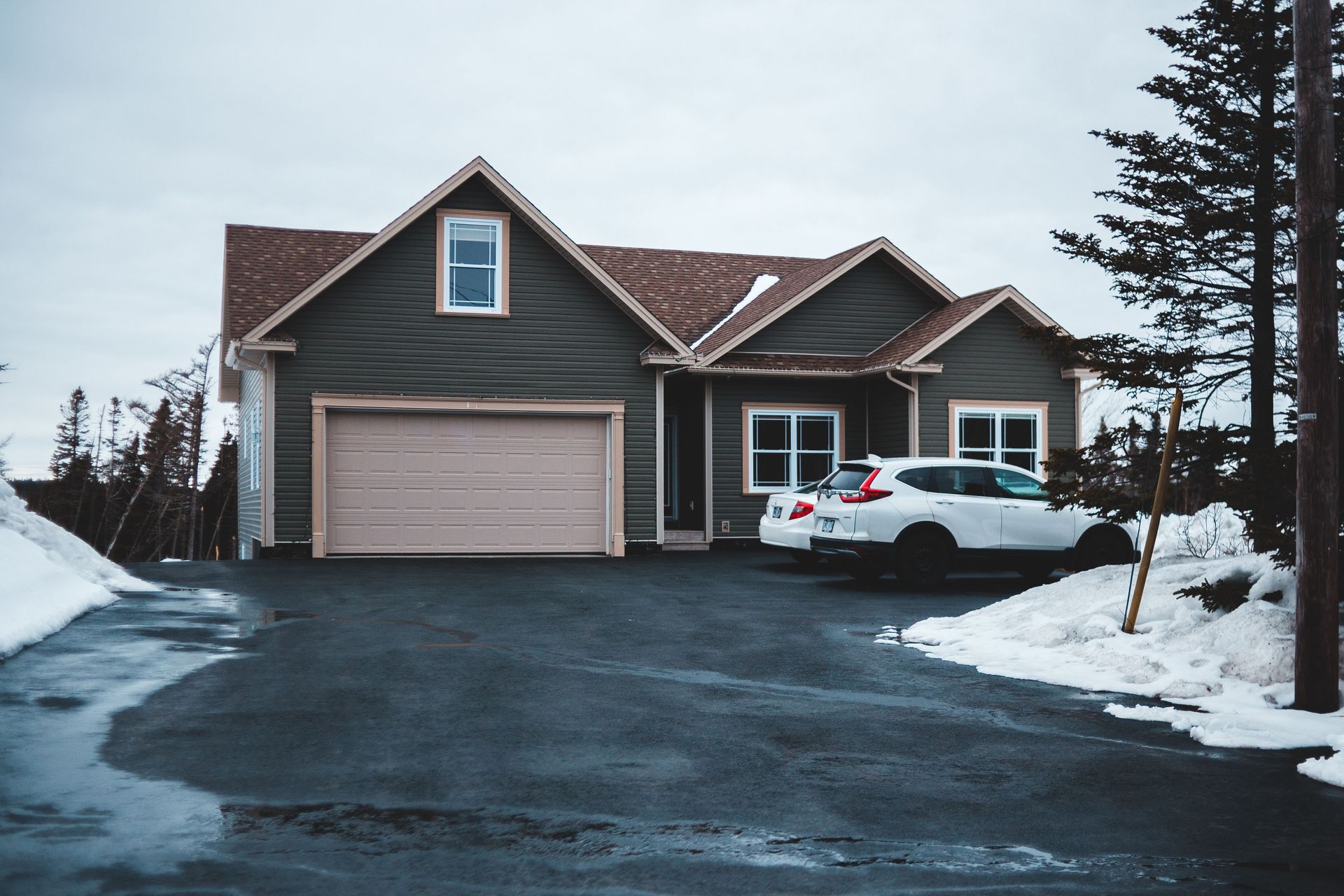
Snowy suburban house with a white SUV parked in the driveway
June 30, 2026
Learn the benefits of driveway sealcoating in NJ. Protect your asphalt from damage and extend its lifespan with expert maintenance tips today. Call now for service!
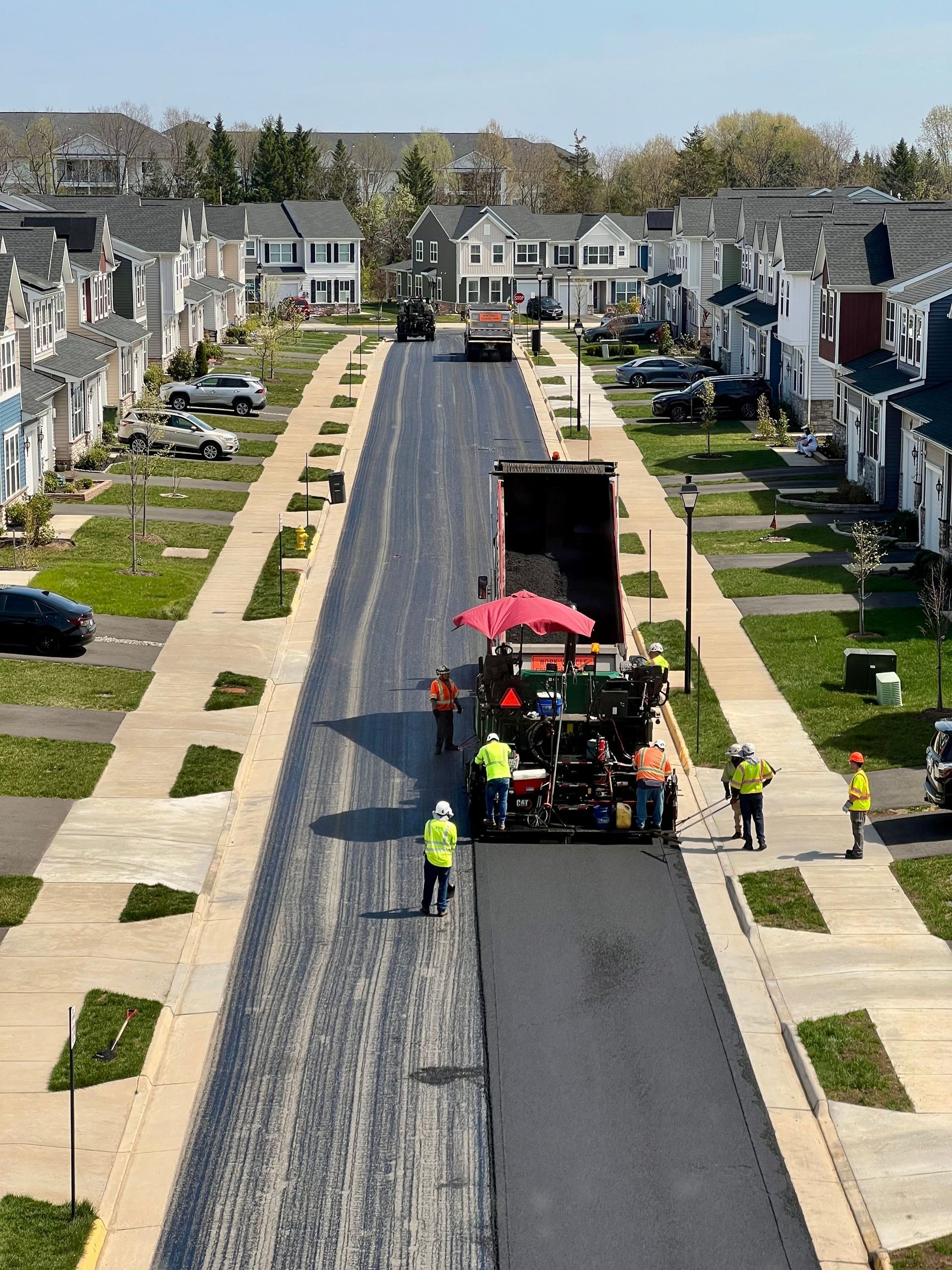
Roadwork crew paving a suburban street with a black asphalt machine and workers in safety vests
June 15, 2026
Learn how HOA paving projects work in NJ. What property managers need to plan, schedule, and budget correctly for smooth, cost-effective roadway improvements.
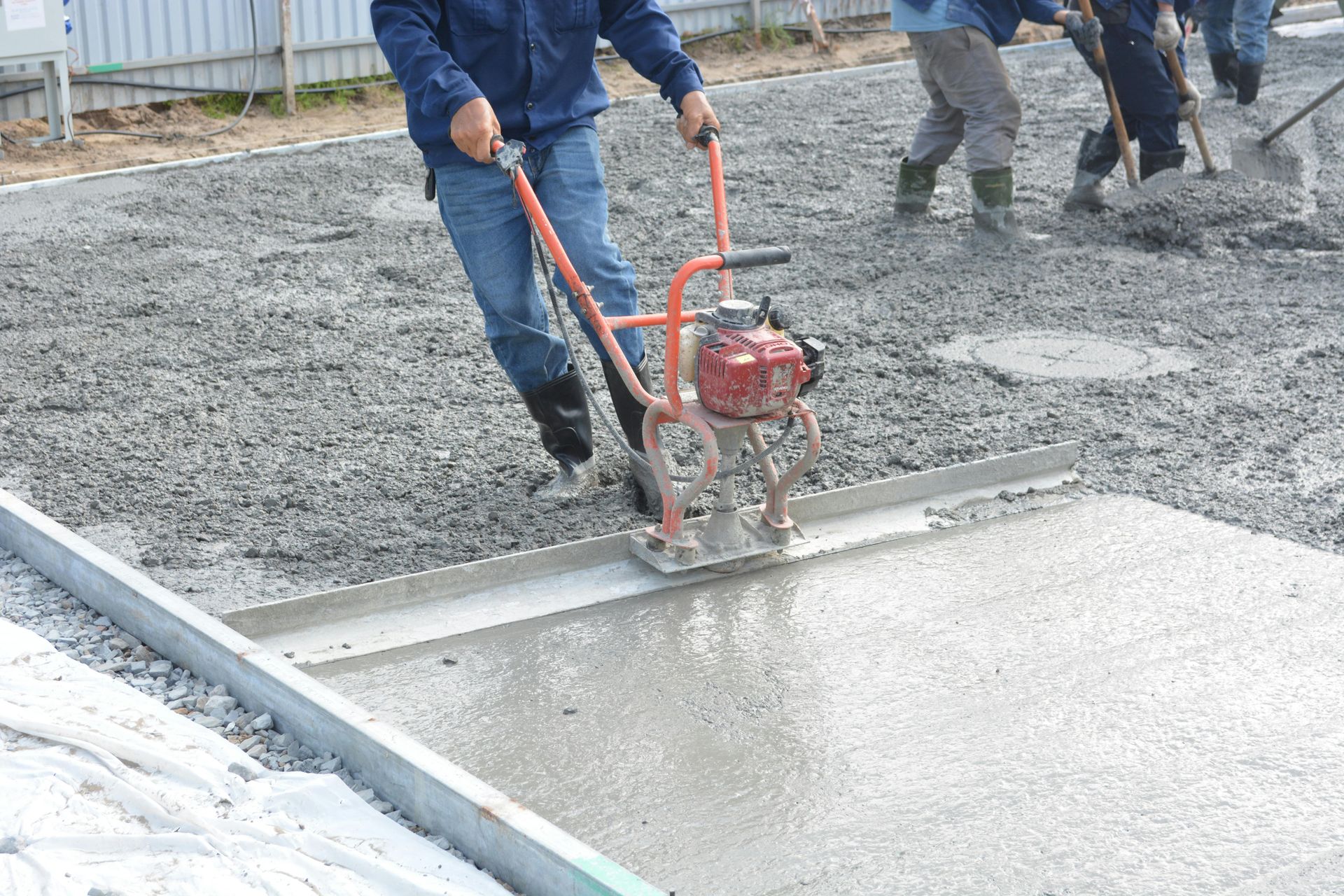
Workers smoothing wet concrete with a power screed on a construction site
May 29, 2026
Learn the essentials of concrete pads and foundations for sheds, garages, and more. Built to last in New Jersey weather and soil conditions. for lasting support.
Road crew paving a highway with asphalt machines and workers in safety vests
May 13, 2026
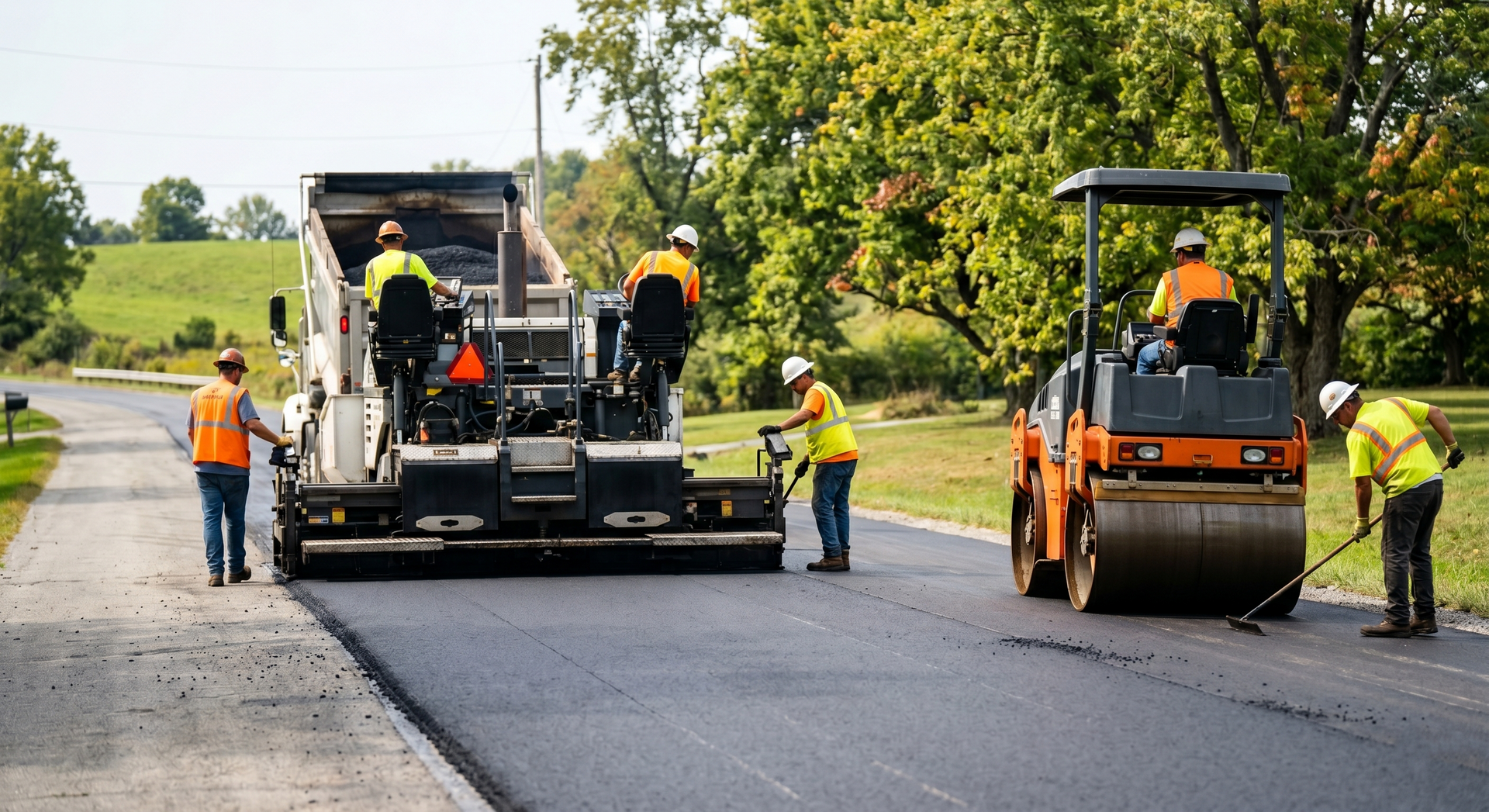
Timing matters when paving in NJ. Learn the ideal seasons and conditions for asphalt and concrete work to ensure durability, quality, and long-lasting results.
Two people on a patio beside a landscaped home with a curved paver walkway
April 28, 2026
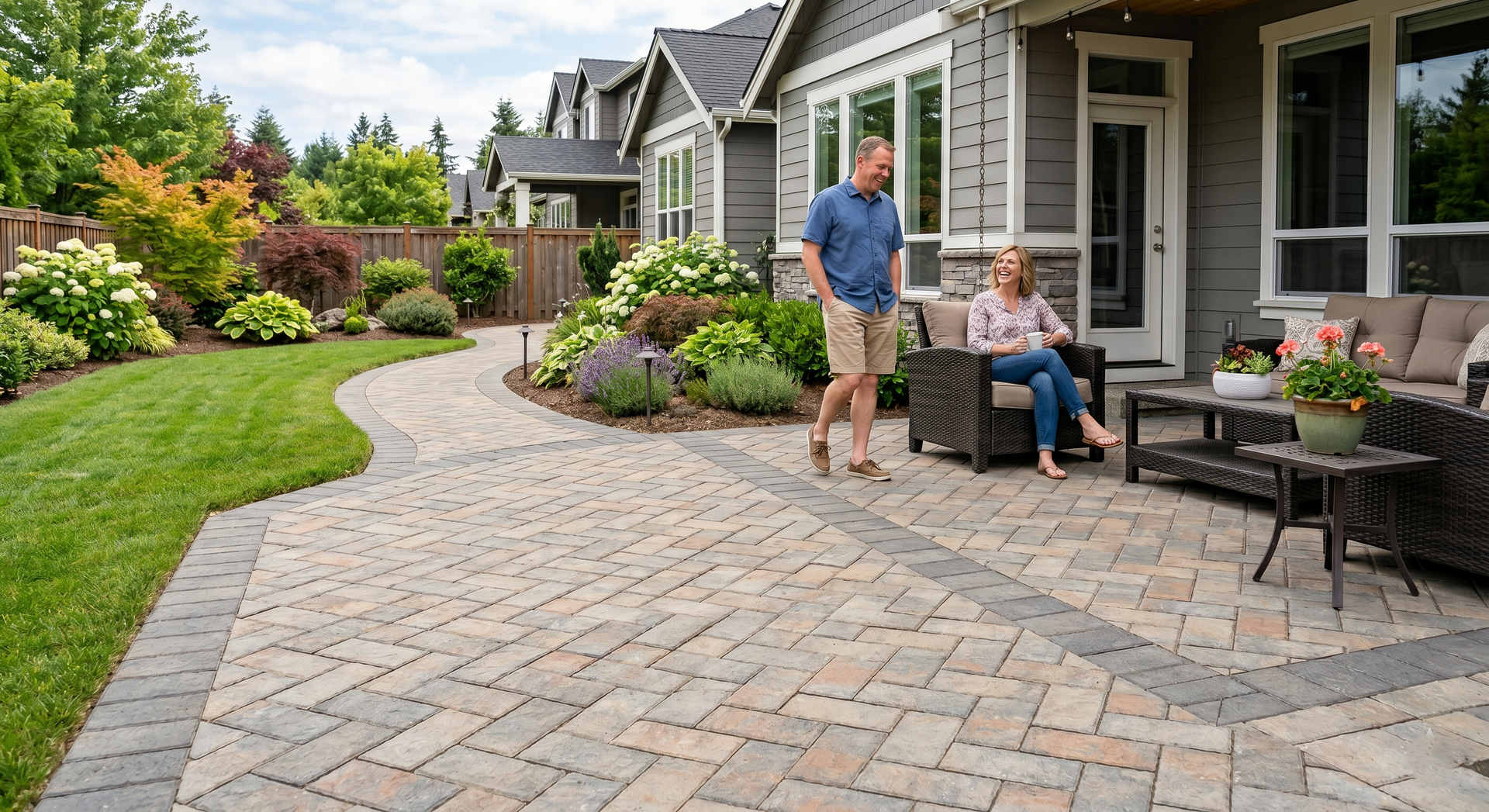
Avoid costly paving mistakes in NJ. Get tips from 4th-generation contractors to save time, money, and ensure long-lasting, durable, high-quality results today.
Granite cobblestone edging separates an asphalt driveway from a grassy lawn on a sunny day.
April 13, 2026
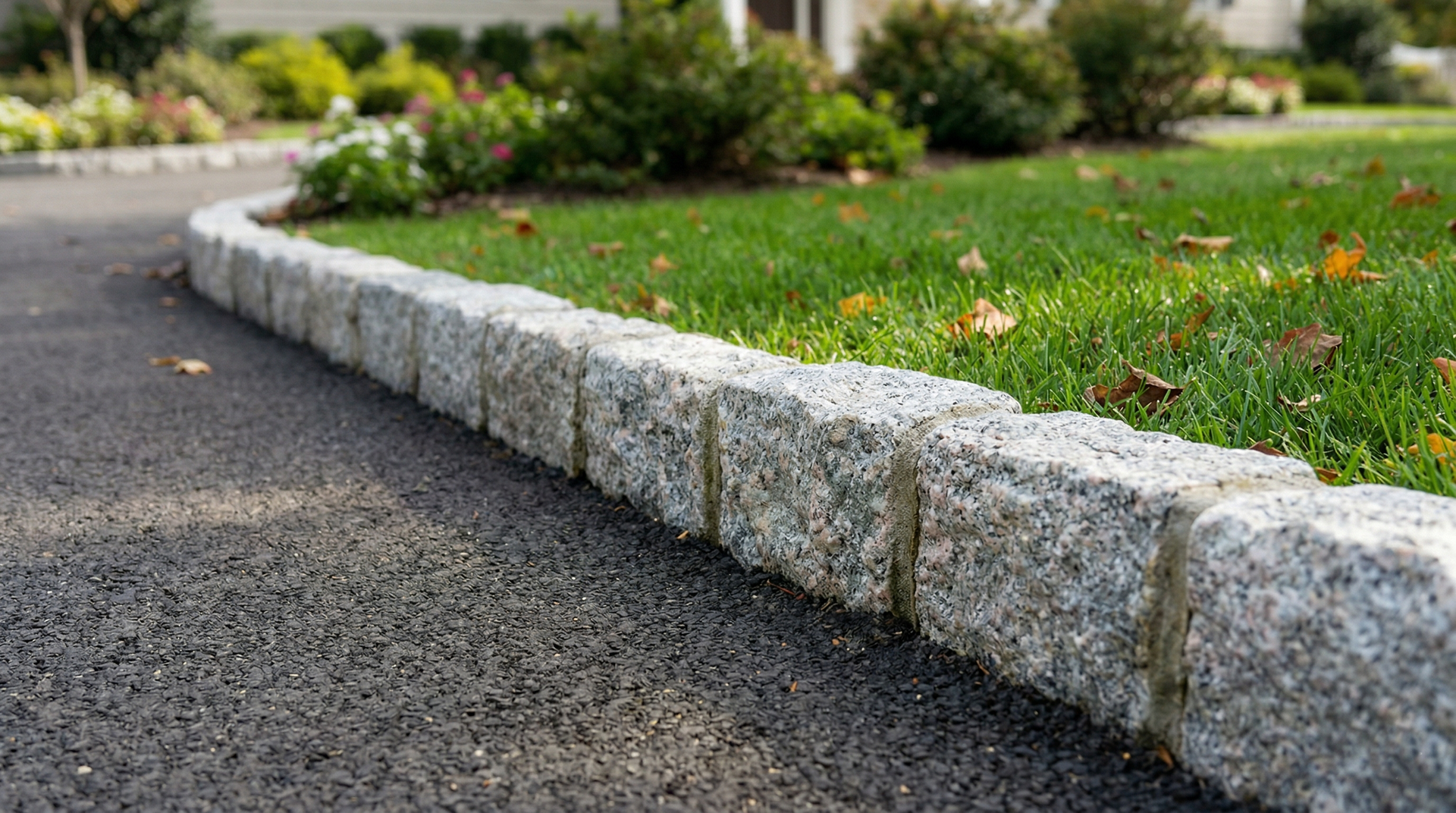
Upgrade your driveway or walkway with Belgian block curbing. Enjoy timeless stone, improved curb appeal, durability, and long-term value for your home today.
A bright yellow asphalt paver moves along a road, applying a dark liquid sealant over a rocky, unfinished surface.
March 25, 2026
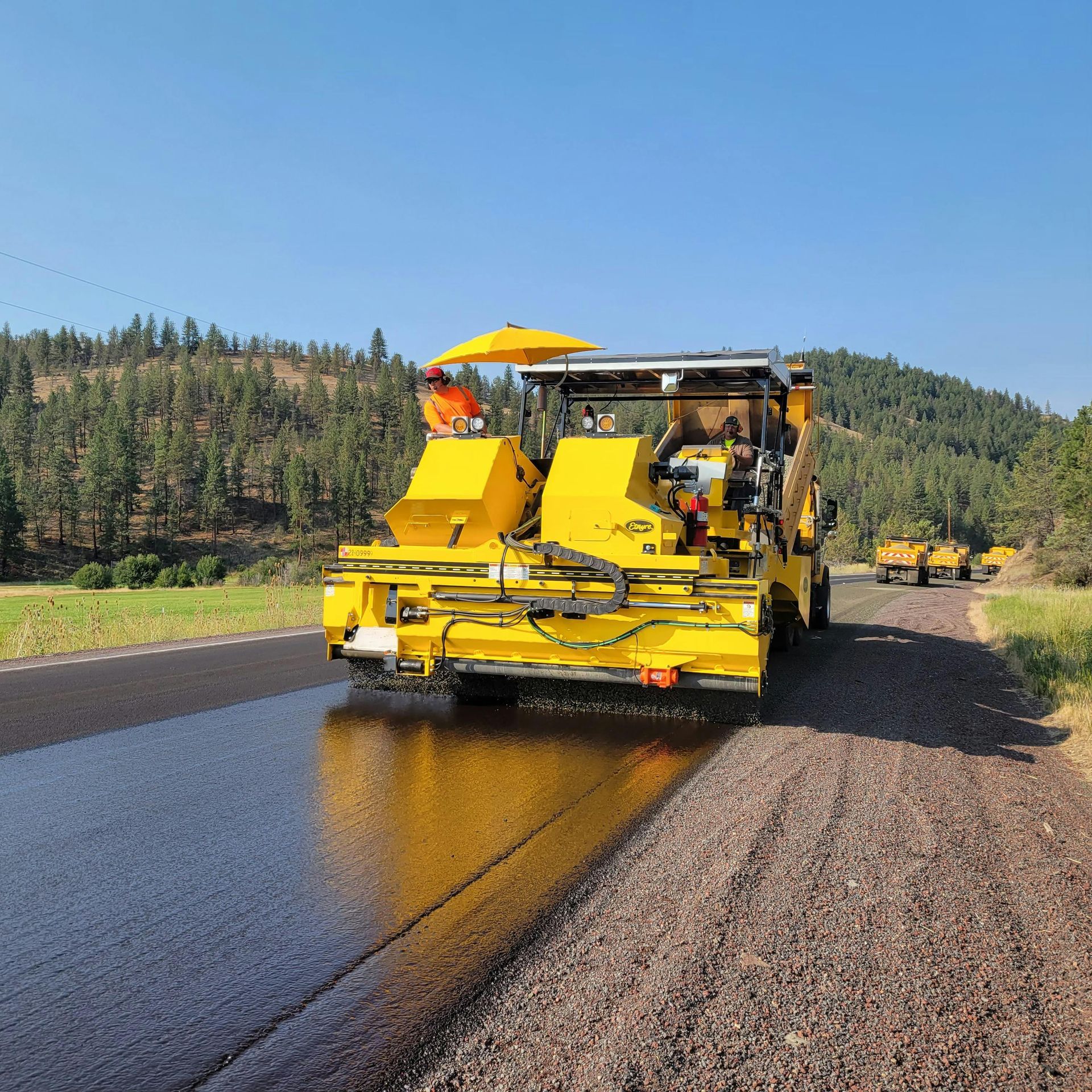
Learn how asphalt milling can save money on your next parking lot resurfacing in NJ, offering a smart, efficient, and long-lasting solution for durable paving.
March 10, 2026
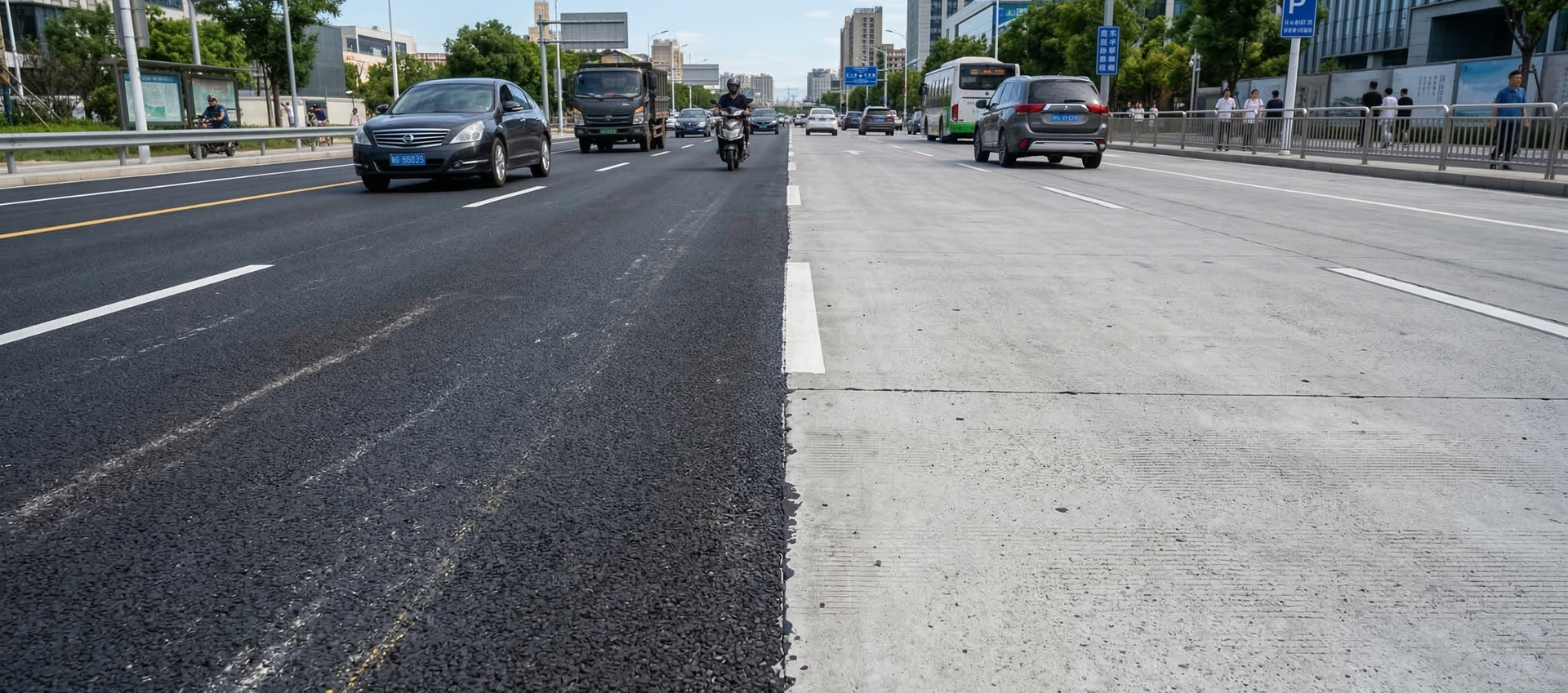
Compare asphalt and concrete driveways in NJ. Learn the pros, cons, durability, and costs to choose the best option for your home or business property today.
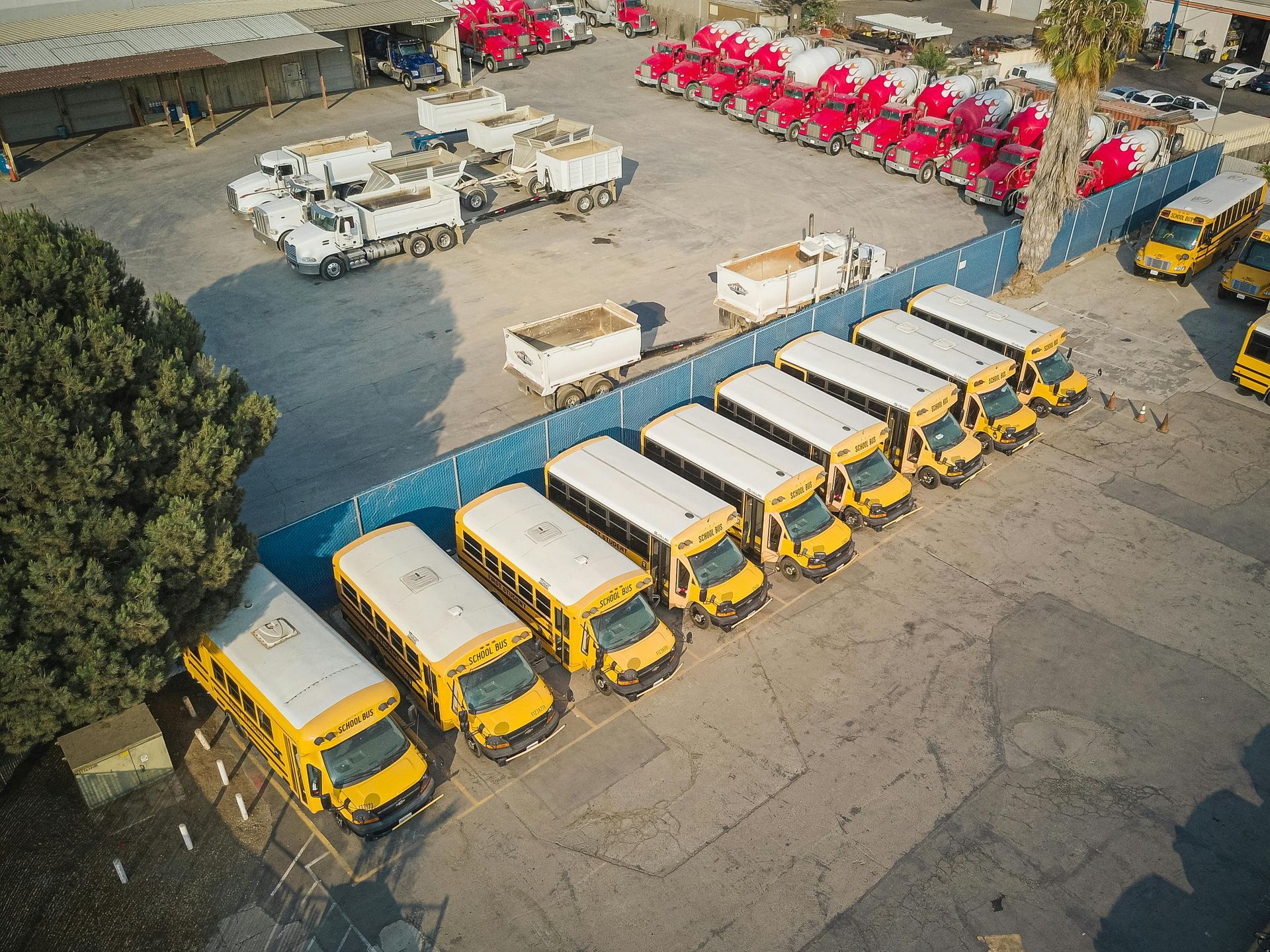
Aerial view of a vehicle yard with yellow school buses, red semi-trucks, and white trucks parked behind a blue fence.
February 23, 2026
Cracks, puddles, or faded striping? Learn the top signs your commercial parking lot in Elizabeth, NJ needs resurfacing. Free evaluations from local experts.
Curving paved road with white lane markings, mountains, and blue sky.
February 6, 2026
Wondering how much it costs to pave a driveway in Elizabeth, NJ? Get average asphalt paving prices, what affects cost, and how to get a free estimate.